31 Jul 2026
Algorithmic Patterns Connecting Slot Randomness Systems to Live Dealer Choice Frameworks
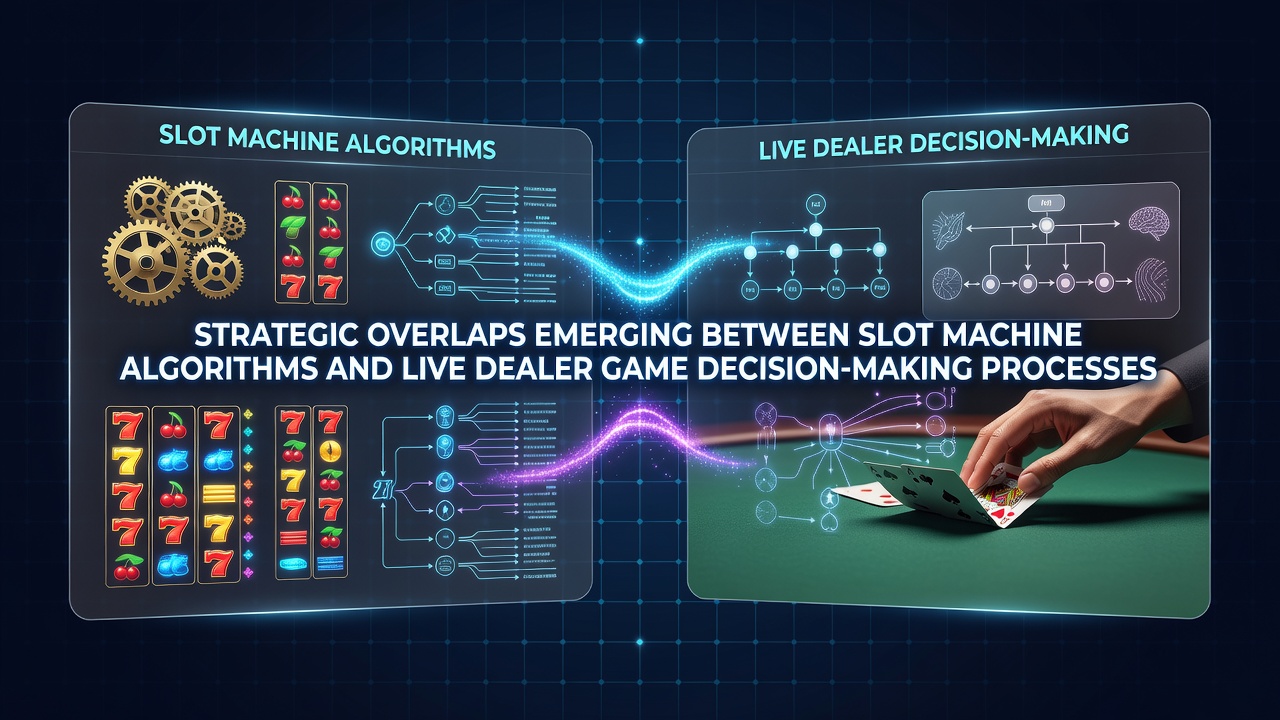
Research from multiple gaming jurisdictions shows that slot machine algorithms and live dealer game decision-making processes share increasing structural similarities in randomness generation and outcome optimization, with data from July 2026 indicating expanded testing protocols across North American and European markets. These overlaps emerge because both systems rely on certified random number generators to maintain fairness standards while adapting to player behavior patterns through layered decision trees.
Core Technical Foundations in Randomness and Decision Modeling
Slot algorithms operate through pseudorandom number generators that determine reel stops and symbol combinations according to pre-set probability distributions, whereas live dealer frameworks apply comparable generators to shuffle virtual decks and determine card draws in games such as blackjack and baccarat. Observers note that certification bodies require both categories to meet identical statistical benchmarks for uniformity and independence, creating shared testing methodologies that researchers apply across product lines. Data indicates that developers integrate decision matrices from slot bonus trigger frequencies into live dealer side bet resolution engines, allowing real-time adjustments based on historical outcome clusters.
Player Behavior Analytics and Adaptive Systems
Studies conducted by university research teams reveal that slot platforms track session length and bet sizing sequences to modulate volatility settings, while live dealer interfaces now incorporate similar metrics to guide automated prompts for players facing strategic choices. In one documented implementation, an operator applied slot-derived clustering models to predict when participants in roulette sessions would increase stake amounts, then adjusted wheel bias monitoring thresholds accordingly. Those who've examined the code structures report that the same machine learning layers used for slot feature activation now support dealer assistance tools that flag optimal hit-or-stand recommendations derived from aggregated table data.
Regulatory Testing and Compliance Overlaps
Figures from the Nevada Gaming Control Board demonstrate that evaluation procedures for slot RNG submissions now include modules previously reserved for table game simulators, creating streamlined approval pathways for hybrid products. Australian regulatory reports from the same period highlight parallel requirements where live dealer shuffling algorithms must demonstrate resistance to pattern recognition techniques originally developed for slot cycle analysis. These aligned standards reduce duplication in laboratory workloads and allow technicians to apply unified audit scripts across both game types.
Implementation Examples Across Platforms
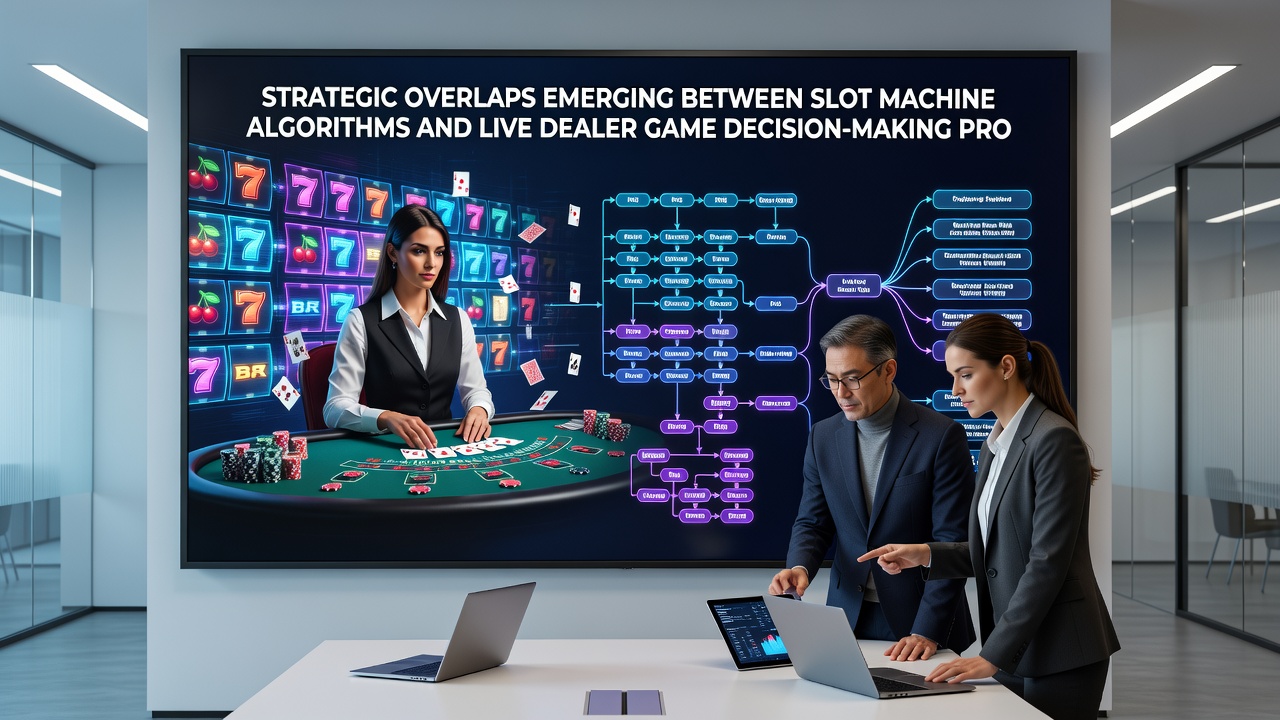
One European supplier integrated slot-based progressive jackpot logic into live dealer lightning roulette variants, where multiplier triggers follow probability curves calibrated from earlier slot mechanics. Canadian provincial operators have since adopted comparable frameworks, according to industry association summaries, resulting in synchronized reward structures that span mobile slots and studio-based table games. Researchers discovered that these integrations shorten development cycles because core modules for outcome weighting transfer directly between environments, provided they pass the same entropy and distribution tests.
Data Integration and Future Calibration Trends
Evidence from academic papers published through 2026 shows growing use of combined datasets, where slot play histories inform live dealer risk models and vice versa, producing more precise forecasts of session duration and average bet progression. What's interesting is that these merged analytics also support regulatory reporting requirements by generating unified compliance logs that satisfy multiple oversight agencies simultaneously. The reality is that operators gain operational efficiencies when they maintain single repositories for randomness validation and behavioral modeling rather than maintaining separate systems for each vertical.
Conclusion
Technical documentation and regulatory filings confirm that algorithmic strategies once isolated to slot development now shape decision frameworks in live dealer environments through shared randomness protocols, behavioral modeling techniques, and unified testing regimes. Continued cross-pollination appears likely as certification standards evolve and data aggregation practices expand across international markets.