16 Aug 2026
Artificial Intelligence Reshapes Decision Making at Virtual Blackjack Tables
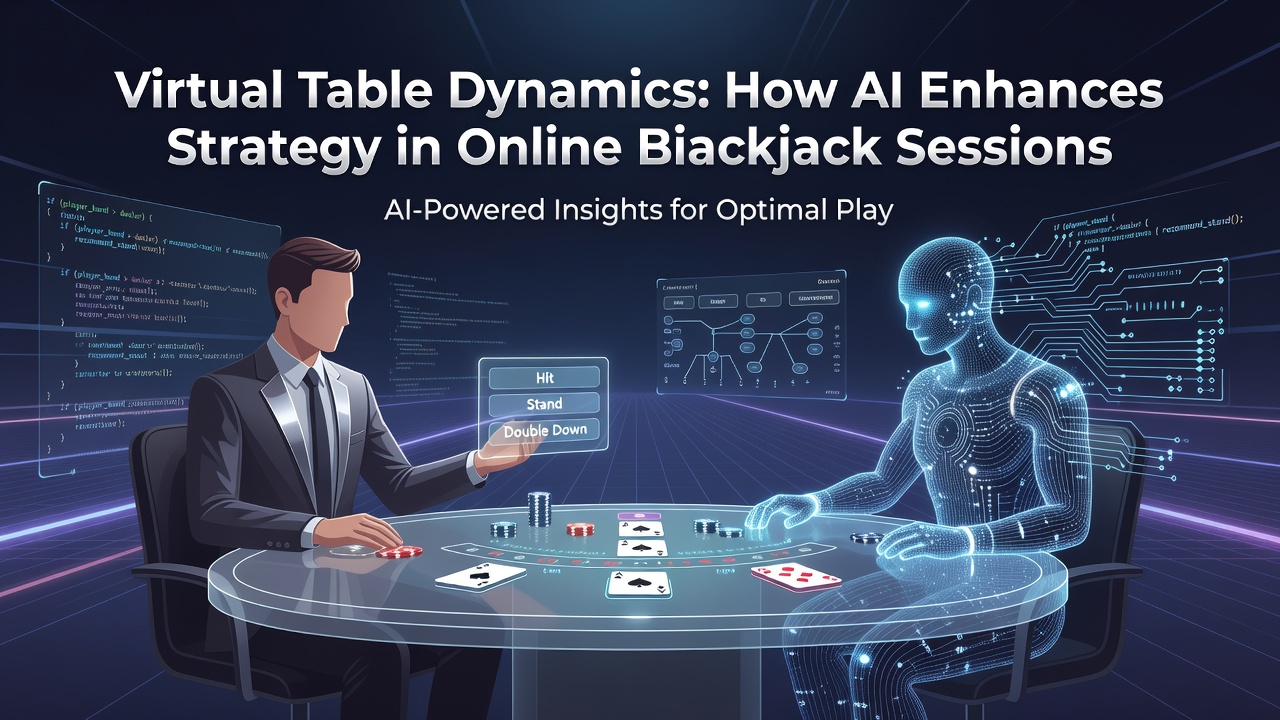
Virtual blackjack environments have incorporated artificial intelligence systems that process card sequences, calculate probabilities, and suggest actions based on mathematical models during live sessions, and these tools operate alongside regulatory frameworks established by bodies such as the Nevada Gaming Control Board. Data from operator reports indicate that AI modules integrate with game servers to deliver instant feedback on hit, stand, double, or split choices while players navigate standard decks and rule variations across multiple virtual tables.
Core Mechanisms Behind AI Strategy Support
Developers deploy machine learning algorithms that scan historical hand outcomes and current shoe compositions, then generate recommendations aligned with basic strategy charts updated for specific house rules, and these systems often connect to player accounts through secure APIs that maintain session logs without altering game fairness protocols. Researchers at institutions including the University of Nevada have documented how reinforcement learning models train on millions of simulated hands to identify edge-preserving patterns, while real-time applications translate those insights into on-screen prompts that adjust for deck penetration levels and dealer upcard values.
Operators report that such platforms track running counts and true counts automatically in multi-deck games, which reduces manual calculation errors during extended play periods, and integration with live dealer streams allows the same logic to apply across hybrid formats where physical cards meet digital overlays. In August 2026 regulatory filings from North American jurisdictions noted increased adoption of these analytics layers, yet compliance teams require operators to disclose AI usage to prevent unauthorized automation that violates terms prohibiting external software bots.
Player Applications and Platform Features
Many sites now embed AI assistants directly into mobile and desktop interfaces, where users receive probability percentages for each decision alongside expected value calculations that factor in remaining deck composition and bet sizing history, and these features appear most frequently in European and Asian markets served by platforms licensed through the Malta Gaming Authority. Observers note that players who combine AI guidance with disciplined bankroll management often extend session length because the software flags deviations from optimal play before they compound into larger losses.
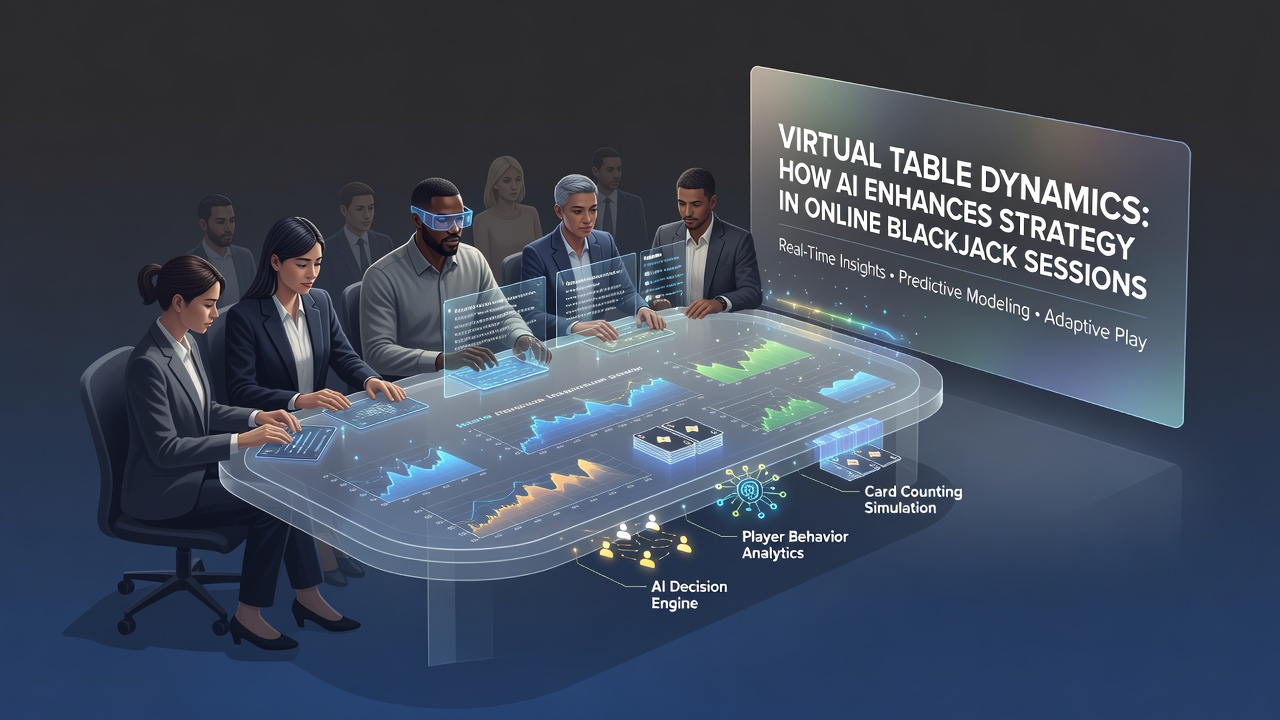
Case examples from industry white papers describe how one mid-tier operator introduced an optional AI coach mode that highlights insurance bets only when the true count exceeds a threshold of plus-three, resulting in documented shifts in player behavior across thousands of tracked sessions. The same reports show that session analytics dashboards present heat maps of decision accuracy, allowing individuals to review past hands and identify recurring mistakes without requiring third-party spreadsheets or external calculators.
Regulatory and Technical Considerations
Authorities in multiple regions require that AI tools remain advisory rather than autonomous, which means players must still execute every action themselves even when software suggests optimal moves, and this distinction appears in licensing conditions issued by the Australian Communications and Media Authority alongside similar guidelines from Canadian provincial regulators. Technical audits verify that probability engines draw from verified random number generators and do not access restricted information such as future card sequences, thereby preserving the house edge established by game mathematics.
Network security protocols encrypt the data streams between client devices and central servers, which prevents interception of strategy recommendations during transmission, while periodic third-party testing confirms that AI outputs align with published strategy tables for each rule set offered on the platform. Operators that fail to maintain these standards face license reviews, yet the majority of major sites have incorporated compliance modules that log every AI interaction for inspection purposes.
Future Developments in AI Integration
Industry conferences scheduled for late 2026 are expected to showcase next-generation models capable of adapting recommendations based on individual player risk tolerance profiles derived from historical bet patterns, and early prototypes already demonstrate the ability to simulate opponent tendencies in heads-up virtual tables. Academic papers published through the Journal of Gambling Studies continue to examine how these evolving tools influence long-term player retention metrics without changing the fundamental probabilities embedded in blackjack rules.
Cross-border collaborations between technology firms and gaming associations have produced open-source strategy libraries that smaller operators can implement under standardized testing frameworks, which accelerates deployment while maintaining consistent accuracy across different regulatory environments. Data aggregation services compile anonymized session statistics that researchers use to refine algorithms further, creating feedback loops that benefit both platform stability and player education resources.
Conclusion
Virtual table dynamics continue to evolve through measured integration of AI systems that supply real-time analytical support during online blackjack sessions, and these developments remain anchored in established regulatory oversight from diverse international bodies along with ongoing technical validation processes. The combination of probability engines, session review tools, and compliance safeguards illustrates how the sector incorporates computational assistance while preserving core game integrity across expanding digital environments.