19 Jul 2026
Cross-Platform Reward Designs Shape User Habits in Digital Entertainment Spaces

Digital entertainment ecosystems continue to expand through interconnected platforms where reward mechanics play a central role in guiding user actions, and researchers track these patterns closely as data accumulates from multiple sources. Companies deploy points systems, daily login bonuses, achievement unlocks, and tiered loyalty programs across mobile apps, consoles, and web portals, while players move between these environments in response to how incentives align or diverge. Studies from academic institutions show that consistent reward structures encourage repeated engagement on one device yet also prompt shifts toward platforms offering faster progression or higher-value items when users compare options side by side.
Mechanics That Drive Platform Switching
Game developers integrate reward loops that function differently depending on hardware capabilities and session length, so a player might complete simple daily tasks on a smartphone during short breaks then transfer progress to a console for deeper challenges that yield larger payouts. Data from industry reports indicates that cross-progression features, introduced widely after 2023, reduce friction and allow accumulated rewards to follow users regardless of device, yet variations in bonus frequency still influence which platform sees the most activity. Observers note that limited-time events often coincide with platform-specific promotions, creating temporary spikes in migration as users chase exclusive items before they disappear from one ecosystem and appear in another.
Behavioral Patterns Across Devices
Analytics firms collect telemetry showing that users who receive escalating rewards for consecutive logins tend to maintain activity streaks on their primary device, while those encountering caps or slower advancement explore secondary platforms for supplementary gains. A 2025 analysis conducted at the University of California examined millions of accounts and found correlations between reward density and session duration, with mobile environments favoring quick-hit incentives and console environments emphasizing cumulative milestones. Those patterns hold steady even as hardware improves, because the underlying design choices continue to dictate where players invest time and attention.
Platforms that synchronize reward wallets across services see higher retention rates overall, according to figures released by the Interactive Games and Entertainment Association in Australia, yet regional differences emerge when local regulations affect what types of incentives operators can offer. Players adapt quickly to these constraints by shifting focus toward regions or titles where mechanics remain unrestricted, and this movement becomes visible in aggregate usage statistics that track account transfers and multi-device logins.
Data Trends Emerging in Mid-2026
As of July 2026, several major publishers reported increased cross-platform activity following updates that unified reward currencies, and internal dashboards revealed that users who previously confined play to one device now split time more evenly when progress carries forward without reset. Research indicates that visual indicators of pending rewards, such as progress bars visible on companion apps, further encourage check-ins across ecosystems even during offline periods. These indicators function as gentle nudges rather than hard requirements, yet they contribute to habitual patterns that persist over months.
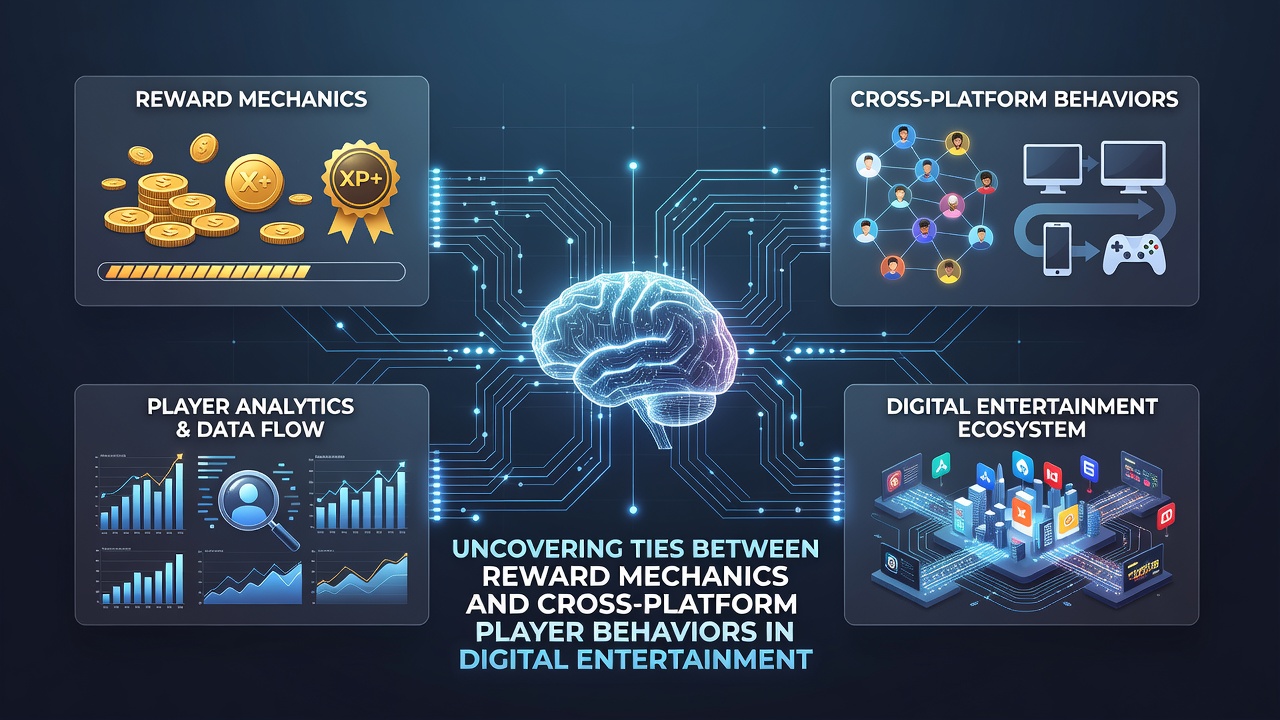
Case examples from large-scale titles demonstrate that seasonal events designed around shared reward pools generate simultaneous spikes across all supported platforms, while exclusive platform bonuses create short-term imbalances that correct once the event concludes. Those who monitor telemetry note that the correction often leaves a portion of users permanently shifted to the platform that delivered the stronger experience during the event window, and this migration effect compounds when multiple titles adopt similar strategies simultaneously.
Regulatory and Industry Context
Government bodies outside the United Kingdom, including agencies in the United States and Canada, continue to examine how reward mechanics intersect with consumer protection guidelines, and industry associations respond by publishing best-practice frameworks that address transparency in cross-platform transfers. Academic papers published in 2024 and 2025 emphasize the need for clearer communication about how rewards convert between environments, because opaque conversion rates can discourage exploration even when technical support exists. Developers who implement straightforward exchange systems report steadier engagement curves, according to aggregated findings from multiple research teams.
What's notable is the way reward velocity, defined as the rate at which players earn and spend incentives, varies by platform constraints such as input method and screen size, leading to natural specialization where mobile handles entry-level tasks and larger screens manage complex achievements. This specialization reinforces cross-platform movement rather than replacing it, because users seek complementary experiences rather than identical ones.
Conclusion
Evidence gathered from telemetry, academic studies, and industry reports demonstrates that reward mechanics directly influence the direction and frequency of player movement across digital entertainment platforms, and these influences remain measurable even as technical integrations improve. Continued observation through 2026 and beyond will clarify whether unified systems reduce or merely redistribute behavioral differences, yet current data already shows clear linkages between incentive design choices and multi-platform usage patterns.