2 Aug 2026
Data Analytics Fueling Bonus Ties Between Live Dealer Results and Sports Betting Advantages on Mobile

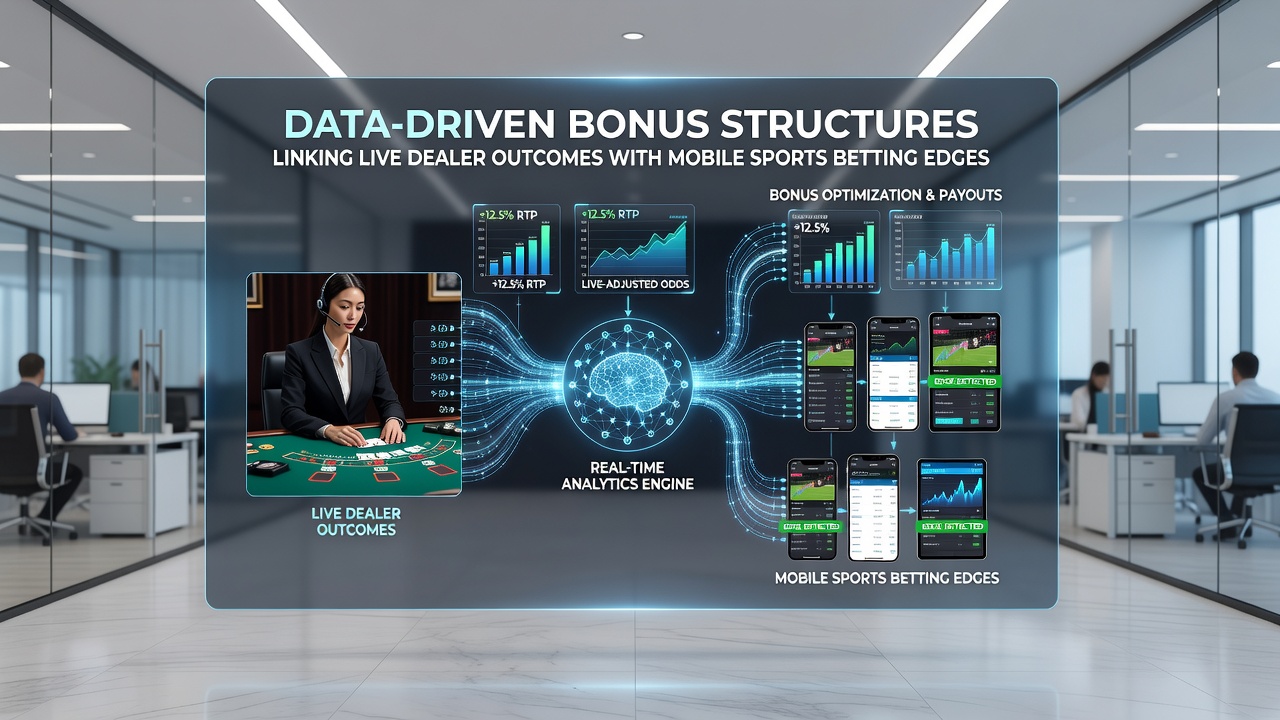
Operators now track live dealer outcomes in real time and feed those metrics directly into mobile sports betting reward engines, creating bonus structures that adjust payouts based on combined player activity across both verticals, and data from multiple platforms shows this integration accelerating through 2026.
Systems collect details such as table win rates, hand frequency, and session length from live dealer streams while simultaneously monitoring wager types, odds movement, and settlement patterns in sports markets, then algorithms merge these datasets to trigger tiered bonuses that reward cross-product engagement rather than isolated play.
Core Mechanisms Behind the Linkage
Live dealer software records every card dealt and every spin resolved, sending anonymized outcome strings to centralized analytics hubs that compare results against historical baselines before pushing adjusted bonus multipliers to a player's mobile sports account within seconds, and this process runs continuously across thousands of sessions daily.
One study from a North American research group found that players who complete live dealer blackjack hands above a defined threshold receive elevated free bet credits on upcoming football or basketball markets, with the credit value scaled by the exact margin of their table performance, and similar patterns appear in European and Asian markets where regulators permit such data flows.
August 2026 Platform Updates
Reports released in August 2026 indicate several major operators expanded these linkages after server upgrades improved latency between dealer studios and mobile apps, allowing bonus eligibility checks to complete before the next sports market opens rather than after settlement, and the result has been measurable increases in session overlap between the two product types.
Platforms now apply machine learning models trained on combined datasets to predict which live dealer outcomes correlate with higher sports betting retention, then automatically allocate bonus funds to those players whose activity patterns match the model's positive indicators while withholding them from others whose patterns fall outside the parameters.
Examples of Bonus Structures in Operation
Take one operator that awards a percentage boost to sports betting odds when a player finishes a live dealer roulette session with a net positive result above a set threshold, and the boost applies only to the next mobile-placed wager within a 24-hour window, creating a direct temporal link between the two activities.
Another model uses cumulative live dealer data across multiple tables to unlock progressive sports betting cashback tiers, where each additional qualifying dealer outcome pushes the player into a higher rebate bracket that remains active until the sports settlement cycle completes, and observers note this encourages extended dealer play without requiring separate sports deposits.
Researchers at an Australian academic institution examined similar systems and reported that players exposed to these linked bonuses showed higher average wager frequencies in sports markets during the same week as their dealer sessions, though the study stopped short of claiming causation and focused instead on observed correlations in transaction logs.
Regulatory and Technical Considerations Across Regions
Authorities in several jurisdictions require operators to maintain separate audit trails for live dealer data and sports betting data even when bonuses bridge the two, ensuring that outcome integrity in one vertical cannot influence settlement fairness in the other, and compliance teams now run automated reconciliation checks nightly to meet these standards.
Industry groups such as the American Gaming Association have published guidelines on transparent disclosure of such bonus terms, recommending that players receive clear notice of how live dealer metrics affect sports betting incentives before any data linkage activates.
Technical teams face ongoing challenges in synchronizing time stamps across dealer studios located in different time zones with mobile sports servers that operate on universal coordinated time, yet recent infrastructure investments have reduced mismatches to under one second in most documented cases.
Player Response Patterns and Platform Adjustments
Data sets analyzed through mid-2026 reveal that certain player segments respond more strongly to bonuses triggered by live dealer wins while others engage more when bonuses activate after dealer losses, prompting platforms to segment their bonus engines by behavioral clusters rather than applying uniform rules across all accounts.
One documented case involved a platform that adjusted its linkage thresholds after observing that high-volume sports bettors preferred bonuses tied to dealer session length instead of outcome margins, leading to revised criteria that increased cross-product participation rates without raising overall bonus expenditure.
Additional refinements continue as operators incorporate feedback from player support logs showing confusion over eligibility windows, resulting in simplified mobile notifications that display remaining time and qualifying criteria in a single view rather than scattered across multiple screens.
Conclusion
The linkage of live dealer outcomes to mobile sports betting bonuses through data analytics represents an established operational practice that continues to evolve with platform capabilities and regulatory expectations, and ongoing data collection from both verticals supplies the raw material for further refinements in reward design. Future adjustments will likely focus on latency reduction and clearer player communication as more operators adopt similar integrated structures across additional markets.