High Stakes Evolution: Key Shifts Reshaping UK Casinos Right Now
3 Apr 2026
UK Gambling Commission Updates Casinos on Money Service Business Rules with Swift Notification Mandate
The Core of the March 26 Update
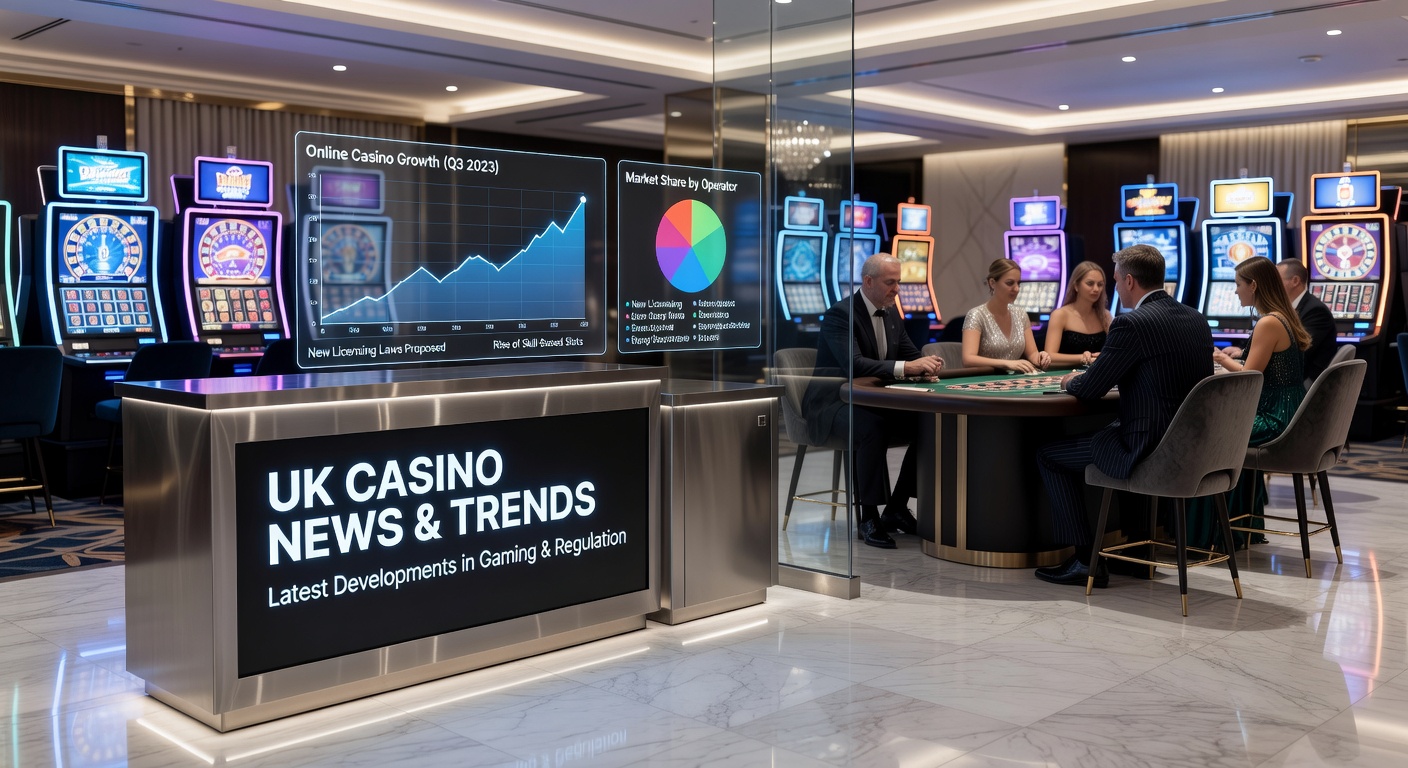
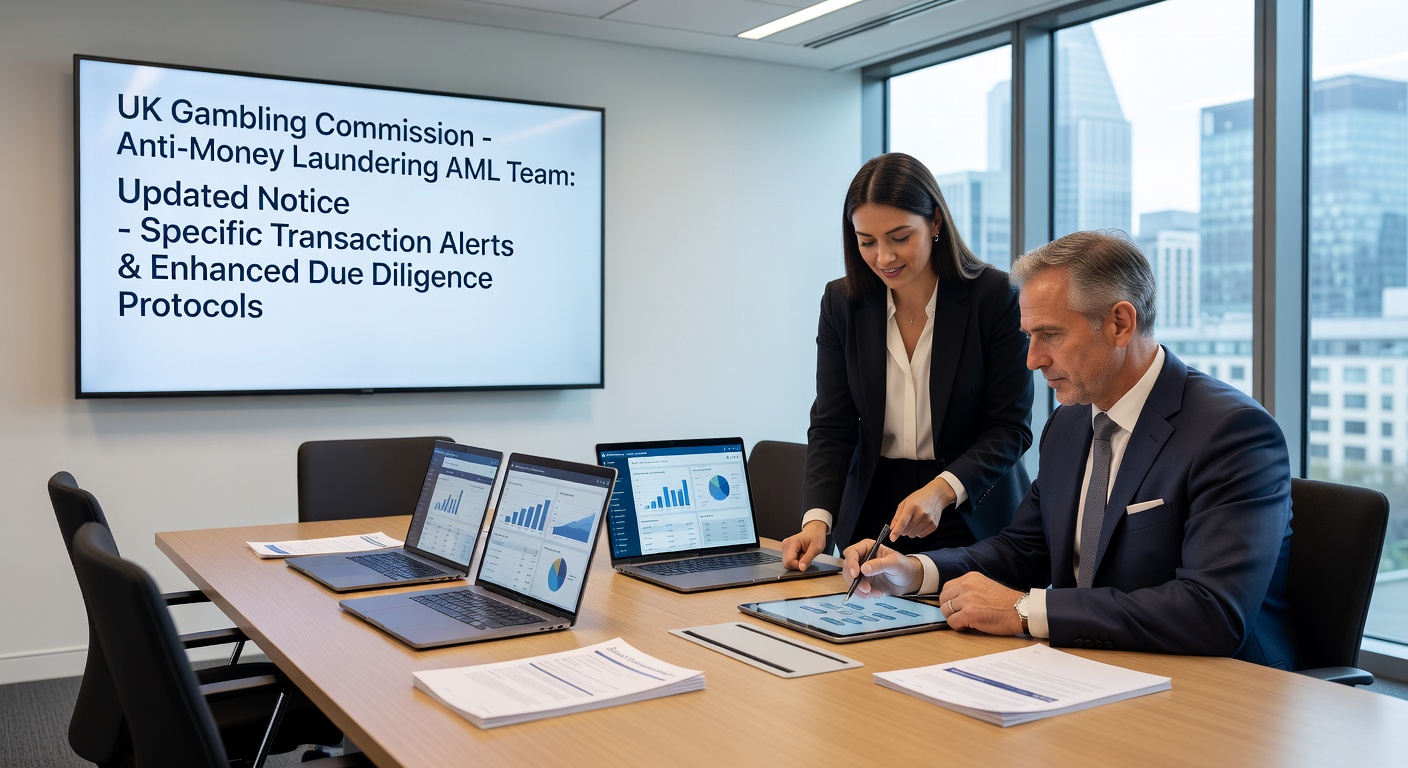
Observers in the UK gambling sector quickly took note when the UK Gambling Commission released an updated notice on March 26, 2026, laying out precise requirements for casinos that offer money service businesses, or MSBs, such as third-party cheque cashing, money transfers, or foreign currency exchange; this move sharpens focus on operational transparency while casinos juggle gaming floors and financial services.
Casinos now face a clear directive: they must notify the Commission within ten days of either starting or ceasing these MSB services, submitting key details like their licence number, the exact type of service involved, and related operational info; that's the rubber meeting the road here, as non-compliance could ripple through regulatory checks.
But here's the thing; those providing such services also need to confirm registration with HMRC for tax purposes, and secure authorisation from the Financial Conduct Authority if the activities fall under regulated financial operations, ensuring a layered compliance net that ties gambling venues directly into broader financial oversight.
Building on February's Foundation
This latest update doesn't stand alone; it builds directly on a February 2026 notice from the same body, which initially flagged the need for tighter controls over MSBs within casinos to bolster anti-money laundering, or AML, efforts across the UK gambling landscape.
Experts tracking regulatory shifts have observed how these notices layer requirements progressively, first highlighting risks in a sector where high-volume cash flows meet international patrons, then specifying actionable steps like the ten-day notification window; turns out, casinos offering cheque cashing or currency exchange have long operated in a grey area, blending convenience for players with potential vulnerabilities for illicit funds.
And while the February alert set the stage by urging vigilance, March's version drills down into mechanics, mandating notifications that include service start or stop dates, precise MSB categories, and proof of external registrations; people in the industry note this evolution reflects ongoing pressure to align gambling operations with stringent UK financial laws.
What Counts as an MSB in Casinos?
MSBs encompass a range of services that casinos might extend beyond slots and tables; third-party cheque cashing lets patrons convert winnings or deposits swiftly, money transfers facilitate cross-border sends, and foreign exchange handles currency swaps for international visitors hitting the floors.
Those who've studied gambling operations point out how these amenities, once commonplace in larger venues, draw extra scrutiny because they mirror functions of formal financial institutions, yet occur amid cash-heavy environments ripe for laundering schemes; the Commission's notice clarifies that any casino dipping into these must report promptly, avoiding assumptions that gaming licences alone cover financial sidelines.
Now, as April 2026 unfolds, operators scramble to audit their setups, determining if current offerings trigger the ten-day rule or demand HMRC and FCA alignments; it's noteworthy that the update specifies "third-party" services, hinting at distinctions from in-house banking that some casinos might explore.
Notification Details and Compliance Steps
- Licence number submission ensures the Commission links reports to specific operators;
- Service type descriptions cover cheque cashing, transfers, or exchanges precisely;
- HMRC registration verification confirms tax compliance for MSB activities;
- FCA authorisation checks apply where services hit regulated thresholds.
Casinos starting these services must act within ten days, detailing rollout plans and partners involved, while those winding down face the same timeline to report closures; this bidirectional reporting closes loops that previous guidelines left open, allowing regulators to map MSB prevalence across the sector in real time.
Take one scenario observers reference: a London casino launching foreign exchange for high-roller events would notify with licence details, service scope, and FCA status, preventing oversight gaps; similarly, halting cheque cashing mid-year triggers the same process, keeping the Commission's database current.
Broader AML Context in UK Gambling
The gambling sector has long navigated AML pressures, with cash-intensive casinos serving as focal points for watchdogs; data from regulatory bodies reveals persistent risks where winnings fund transfers or exchanges, potentially masking origins through layered transactions.
That's where this notice fits seamlessly, enhancing traceability by mandating swift notifications that feed into national AML frameworks; experts who've dissected similar updates note how ten-day windows strike a balance, urgent enough for oversight yet feasible for operators managing daily floors.
Yet compliance extends beyond paperwork; casinos must integrate these reports into existing AML programs, training staff on MSB flags and documenting interactions, all while the Commission monitors adherence through routine audits.
Operational Impacts on Casinos
Venue managers now review service portfolios meticulously, weighing conveniences against reporting burdens; larger casinos with international draws find currency exchange particularly affected, as foreign patrons expect seamless swaps that now demand FCA nods.
Smaller operators, perhaps offering occasional cheque cashing, discover the ten-day rule applies universally, prompting quick HMRC registrations if overlooked; and as April 2026 progresses, industry forums buzz with operators sharing notification templates and FCA application tips.
What's interesting is the proactive angle; forward-thinking casinos use this as a chance to streamline, partnering with compliant MSBs or digitising reports for efficiency, turning regulatory hurdles into operational edges.
Enforcement and Future Outlook
While the notice outlines requirements clearly, the Commission holds powers to enforce via licence conditions or penalties for lapses; those tracking enforcement patterns recall how prior AML notices led to fines for unreported financial activities, underscoring the stakes.
So casinos prioritise notifications, often assigning compliance teams to track start-stop dates and gather proofs; this update, by specifying details upfront, minimises ambiguities that plagued earlier guidance.
Observers anticipate quarterly reviews or expansions if MSB data uncovers hotspots, but for now, March 26's directive stands as a cornerstone, fortifying the sector against laundering threats while preserving legitimate services.
There's this case from regulatory archives where unreported transfers drew scrutiny, highlighting why ten-day timelines matter; casinos heeding the call position themselves solidly amid evolving rules.
Conclusion
The UK Gambling Commission's March 26, 2026, updated notice marks a pivotal step in MSB oversight for casinos, mandating ten-day notifications for service changes alongside HMRC and FCA compliances; building on February's groundwork, it weaves gambling venues tighter into AML fabrics, ensuring transparency where cash and convenience intersect.
As operators adapt through April and beyond, the sector gains tools to navigate financial sidelines safely; those following closely see this as standardisation in action, with notifications painting a clearer picture of risks and responses across UK casino landscapes.