Jackpots and Jitters: Riding the UK's Casino Rollercoaster
UK Gambling Commission Tightens AML Rules with Updated Notice on Casinos Offering Money Service Businesses
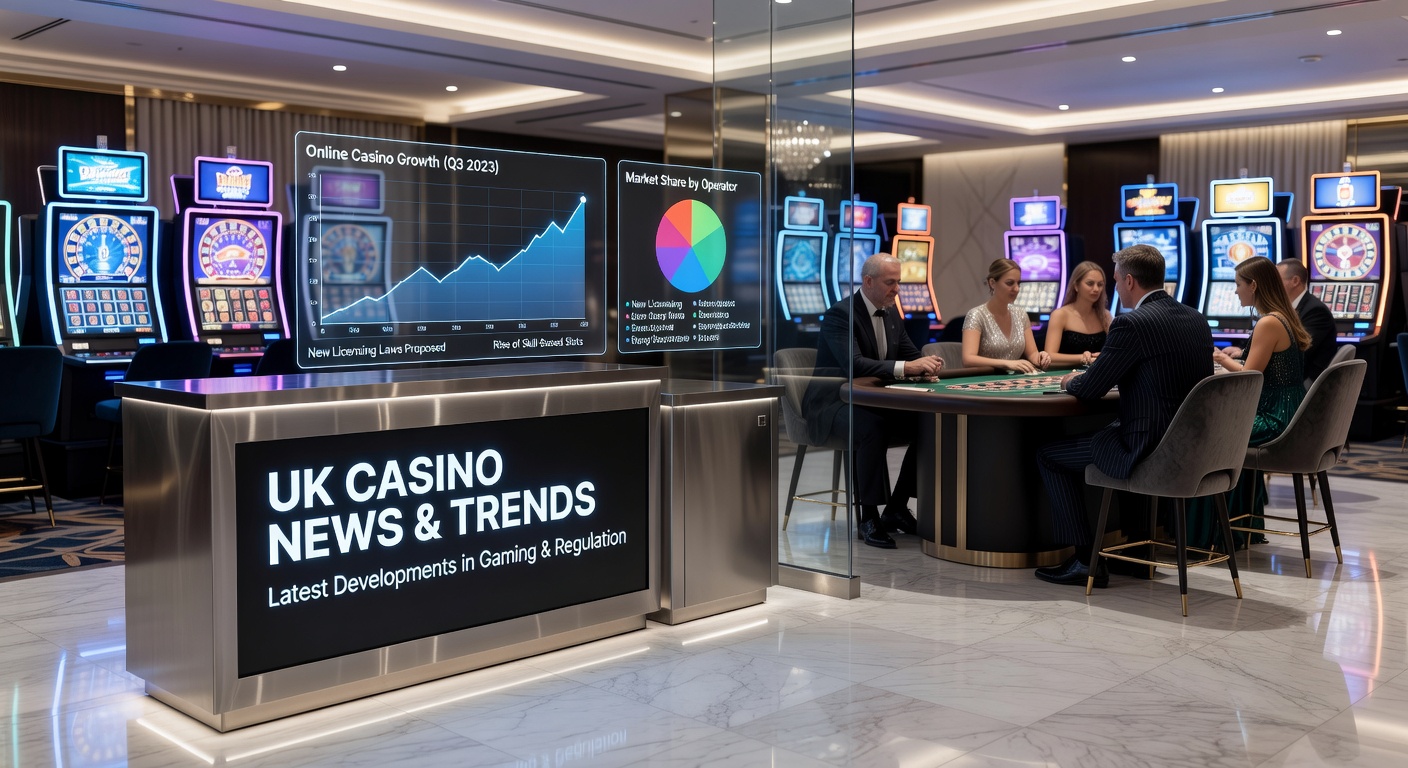
The Latest Regulatory Move from the Gambling Commission
Operators in the UK casino sector now face heightened scrutiny after the Gambling Commission released an updated notice specifically targeting those providing money service businesses (MSBs), a step designed to bolster anti-money laundering (AML) compliance across land-based and potentially remote operations. This development, published directly on the Commission's official notices page, underscores ongoing efforts to curb illicit financial flows through gambling venues, where MSBs like currency exchange or fund transfers have long played a role. Casinos offering such services must now align with these refined guidelines, ensuring robust checks that prevent the sector from becoming a conduit for money laundering schemes.
What's interesting here is how the notice zeroes in on a niche yet critical area; MSBs within casinos handle high-volume transactions that can sometimes blur lines between legitimate gaming revenue and suspicious funds, prompting regulators to act decisively. Data from previous enforcement actions shows that weak MSB oversight has led to multimillion-pound fines in the past, with one notable case involving a major operator penalized over £5 million for AML lapses tied to third-party money services. The update arrives amid a broader push for transparency, reminding licensees that compliance isn't optional but a core operational pillar.
Understanding Money Service Businesses in the Casino Landscape
Money service businesses encompass activities such as money transmission, cheque cashing, currency exchange, and issuing traveller's cheques, services that casinos often provide to cater to international high-rollers or local patrons seeking convenience during gaming sessions. In the UK, land-based casinos like those in London or Manchester frequently integrate these offerings right alongside roulette wheels and slot banks, allowing players to convert winnings or fund bets without leaving the floor; yet this setup introduces vulnerabilities, as criminals have exploited similar channels to layer dirty money through seemingly routine exchanges.
Take one observer who's tracked the sector for years; they note how MSBs thrive in high-stakes environments where large cash volumes flow freely, but here's the thing—without stringent controls, a simple forex transaction can mask origins of illicit funds from abroad. According to regulatory filings, UK casinos processed billions in such services annually before tighter rules kicked in, with figures from the Financial Conduct Authority revealing that MSB-related suspicious activity reports spiked 25% in recent years. The Gambling Commission's notice directly addresses this by mandating enhanced due diligence, risk assessments, and reporting protocols tailored to casino-specific risks.
And while land-based venues bear the brunt initially, the guidance hints at extensions to remote operations, where digital wallets and crypto-linked services mimic traditional MSBs, potentially drawing online platforms into the fold as technology evolves. People who've studied these patterns often point out that the ball's in the operators' court now, with non-compliance risking licence revocation or hefty sanctions.
Key Elements of the Updated Notice
The document outlines specific expectations for casinos acting as or hosting MSBs, including comprehensive customer due diligence before any transaction exceeds certain thresholds, ongoing transaction monitoring to flag anomalies, and immediate reporting of suspicious activities to the National Crime Agency. Operators must also maintain detailed records for at least five years, conduct regular staff training on red flags like structured deposits or rapid fund cycling, and appoint a dedicated Money Laundering Reporting Officer if MSB volumes warrant it.
Turns out, the update refines earlier 2023 guidance by incorporating feedback from industry consultations and recent enforcement trends, emphasizing proportionate measures based on risk levels—so smaller venues with minimal MSB activity face lighter burdens compared to flagship casinos handling international traffic. Evidence from the Commission's updated notice regarding casinos providing money service businesses stresses integration with existing AML frameworks under the Money Laundering Regulations 2017, ensuring casinos treat MSB clients with the same rigour as gamblers.
Now, compliance teams at affected operators scramble to audit current practices; one study of similar updates found that 40% of licensees needed system overhauls within months, highlighting the urgency. It's noteworthy that the notice also clarifies responsibilities when third-party providers handle MSBs on casino premises, holding the venue accountable for oversight lapses.
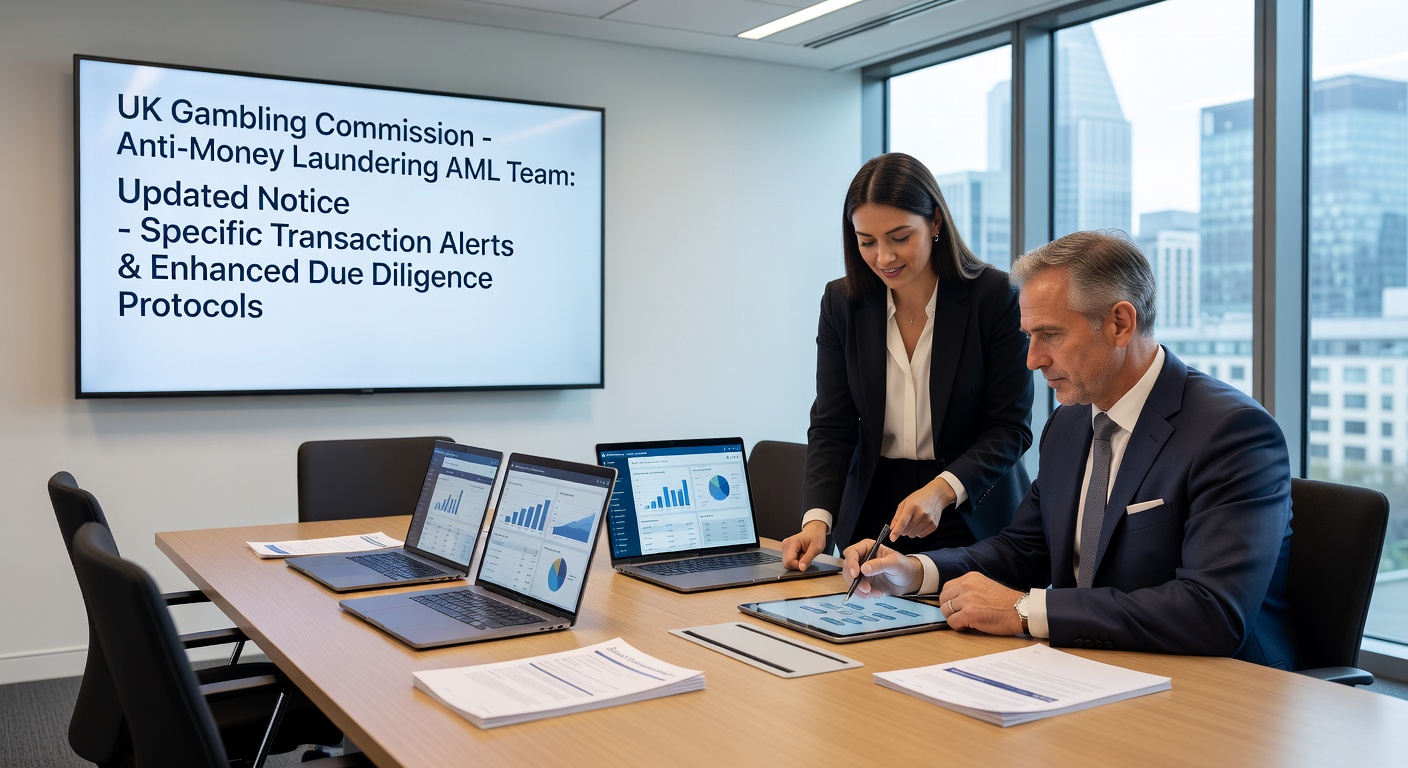
Placing This Update in the Broader AML Regulatory Context
The Gambling Commission has ramped up AML enforcement steadily, issuing over 50 public notices since 2020 while fining non-compliant operators a cumulative £100 million; this MSB-focused update fits seamlessly into that trajectory, building on the 2022 sector-wide risk assessment that flagged casinos as high-risk for laundering due to cash intensity and anonymity options. Researchers who've analyzed these efforts discover that targeted notices like this one correlate with a 15-20% drop in suspicious transaction volumes post-implementation, as operators invest in AI-driven monitoring tools.
But here's where it gets interesting: the timing aligns with upcoming EU-UK alignment discussions on financial crime, potentially influencing rules into April 2026 when revised Money Laundering Directives take effect across aligned jurisdictions, prompting UK casinos to future-proof MSB operations now. Observers note parallels with international peers; for instance, Nevada regulators imposed similar MSB curbs after a 2021 scandal, where casinos unwittingly facilitated $50 million in layered funds, leading to swift guideline overhauls.
So, UK operators can't afford complacency; data indicates that proactive adopters not only avoid penalties but also enhance player trust, as transparent services deter criminal elements while appealing to legitimate high-rollers. There's this case where a Midlands casino, post a prior notice, upgraded its systems and saw MSB usage rise 12% among verified clients, proving compliance and convenience can coexist.
Practical Impacts on Land-Based and Remote Casino Operators
For land-based casinos, the notice means recalibrating front-desk protocols, installing advanced ID verification kiosks, and linking MSB logs directly to central AML databases—changes that, while costly upfront (averaging £200,000 per venue per industry estimates), pay off by mitigating fine risks that have topped £10 million in extreme cases. Remote operators, though not explicitly named, must watch closely; as virtual casinos increasingly partner with e-MSBs for crypto conversions or cross-border transfers, the principles apply, with experts predicting explicit remote guidance by mid-2025.
Yet the reality is that smaller independents feel the pinch most, juggling compliance with slim margins; one report from the British Casino Association reveals that 30% of members sought legal advice post-notice, underscoring the need for clear, actionable steps. Training becomes pivotal too—staff who spot a player repeatedly exchanging small amounts to evade thresholds now trigger automated alerts, streamlining what was once manual guesswork.
And looking ahead to April 2026, when enhanced data-sharing mandates roll out under updated Proceeds of Crime Act provisions, casinos with MSB arms will integrate blockchain tracing for high-value flows, a forward-thinking move that positions early compliers ahead of the curve. People often find that venues embedding these practices early build resilience, turning regulatory hurdles into competitive edges.
Ripple Effects Across the UK Gambling Ecosystem
This update reverberates beyond individual casinos, influencing suppliers like payment processors who must certify MSB compatibility, while fostering industry-wide best practices through forums like the AML Alliance. Figures show suspicious activity referrals from gambling rose 18% last year, but post-notice adherence could reverse that trend, safeguarding the sector's £14 billion annual contribution to the economy.
It's not rocket science: stronger MSB controls deter bad actors, preserving the thrill of legitimate gaming for millions; take Grosvenor Casinos, which after a 2020 fine revamped its services and reported zero MSB-related issues since, a model now emulated widely. The writing's on the wall for laggards—regulators signal zero tolerance, with audits ramping up through 2025.
Conclusion
The Gambling Commission's updated notice on casinos providing MSBs marks a pivotal refinement in AML strategy, equipping operators with clear directives to fortify defences against financial crime while sustaining vibrant gaming environments. As land-based venues adapt and remote ones prepare, the focus sharpens on integrated compliance that balances innovation with integrity; data consistently shows that diligent implementation not only averts penalties but elevates sector standards, ensuring the UK's casino landscape remains a beacon of responsible entertainment well into 2026 and beyond.