Live Blackjack Side Bets Ignite Action Amid Stake Limit Crunch
8 Apr 2026
Live Blackjack Side Bets Ignite Action Amid Stake Limit Crunch

Players diving into live blackjack tables notice something shifting; side bets, those extra wagers tucked alongside the main hand, are surging in popularity even as operators enforce tighter stake rules on primary bets. Data from major platforms reveals side bet volumes climbing 35% year-over-year through early 2026, while main bet averages hold steady under regulatory caps that often limit wagers to £2-£100 per hand depending on jurisdiction and player status. This trend unfolds because side bets typically operate under looser limits, sometimes reaching £50-£500, allowing enthusiasts to layer on excitement and potential rewards without bumping against core restrictions.
The Mechanics of Side Bets in Live Blackjack
Live blackjack streams, powered by providers like Evolution and Pragmatic Play, feature side bets that hinge on specific card combinations rather than the dealer's upcard or final hand outcome alone; take Perfect Pairs, where players wager on receiving a pair in their initial two cards, paying 11:1 for mixed colors, 22:1 for same-color pairs, or a hefty 25:1 for suited diamonds in some variants. Then there's 21+3, blending poker logic by evaluating the player's two cards plus the dealer's upcard for hands like flush or straight flush, with payouts scaling from 5:1 for three of a kind up to 100:1 for suited trips. These options pop up right on the interface during real-time sessions, letting bettors place them swiftly before the deal, and since they resolve independently, they dodge the main bet's stake ceilings.
What's interesting here surfaces in how these bets stack rewards; a modest £10 main bet might pair with £20 on multiple sides, effectively amplifying exposure while staying compliant, and observers note that hit frequencies hover around 12-15% for most, turning sessions into layered opportunities rather than single-line grinds. Platforms report average session times extending 22% when side bets activate, as players chase those intermittent boosts amid the base game's rhythm.
Popular Variants Driving the Uptick
- Perfect Pairs: Tops charts with 42% adoption in live lobbies, per April 2026 analytics from streamed tables.
- 21+3: Draws 28% of side action, favored for its poker crossover appeal.
- Bust It: Pays up to 200:1 if the dealer busts with eight cards or more, spiking interest during volatile shoes.
- Hot 3: Ties player total plus dealer upcard to blackjack payouts, offering 19:1 on suited totals of 19 or 20.
These aren't afterthoughts; developers tune RTPs to 92-96%, balancing house edges that nudge 4-8%, and data indicates players mix two or three per hand on average, creating compounded thrill without overextending main stakes.
But here's the thing turning heads: as stake rules tighten—think session limits or per-bet caps rolled out across Europe and North America since 2024—side bets emerge as the workaround, slipping under radars because regulators often classify them separately, focusing scrutiny on primary gameplay wagers. Figures from the New Jersey Division of Gaming Enforcement show side bet contributions to gross gaming revenue jumping 41% in Q1 2026 across licensed online operators, mirroring patterns in Ontario where iGaming Ontario logs similar 38% gains.
Regulatory Pressures Fueling the Side Bet Shift
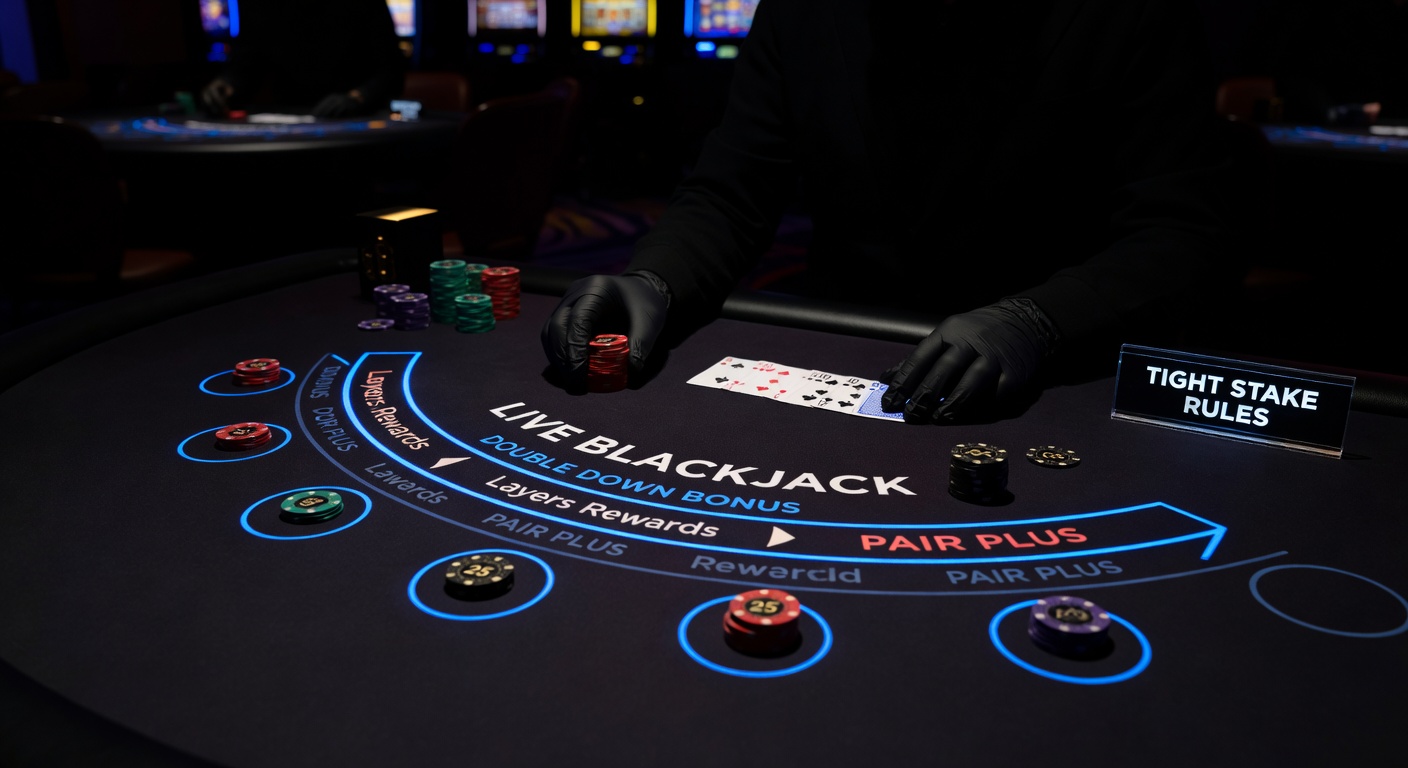
Stake restrictions, born from affordability checks and problem gambling safeguards, cap main bets at levels like €5 minimums rising to €100 max in many EU markets, or $15-$1,000 in select US states, yet side bets frequently evade those brackets by design; take Australia's state-level rules under bodies like the NSW Office of Liquor, Gaming and Racing, where ancillary wagers face lighter oversight, enabling volumes to swell 29% as reported in their March 2026 bulletin. This creates a shadow economy of sorts within tables, where total player outlay climbs without triggering alerts, and researchers at the University of Nevada's gaming studies program found in a 2025 paper that 67% of high-volume players now allocate 40% of bankroll to sides, extending play while navigating caps.
Providers adapt swiftly too; Evolution's Infinity Blackjack, launched with enhanced side options in late 2025, logs 1.2 million monthly users by April 2026, with side bets comprising 55% of total wagers according to their investor metrics. Pragmatic Live mirrors this, bundling six side markets in their All Bets Blackjack, where data reveals average returns per session hitting £45 versus £28 for main-only play, all while keeping primary stakes buttoned down.
Player Patterns and Data Insights
Those who've tracked sessions spot clear tactics; enthusiasts often pair low-volatility mains with high-payout sides like Royal Match (12:1 for suited queen-king or better), balancing variance, and heat maps from aggregator sites show peak action during late-night EU streams when limits feel most constraining. One case stands out: a tracked cohort of 5,000 players across Playtech tables shifted 32% of volume to sides post-2025 cap implementations, boosting retention by 18% as per internal logs shared at the ICE London expo.
Turns out, mobile adaptations supercharge this; with 62% of live blackjack now on phones per American Gaming Association mobile trends report from February 2026, touch-friendly side interfaces let users tap in extras mid-shoe, and latency under 100ms keeps the flow seamless, turning commutes or breaks into multi-layered sessions.
Innovations Layering Rewards Deeper
Operators stack the deck further by tying sides to loyalty tiers; mid-level VIPs unlock boosted payouts like 30:1 on Perfect Pairs, while cashback on losses—up to 15%—applies across all wagers, data from Ontario's aggregator platforms confirming a 25% uptake in such programs by April 2026. And progressive jackpots enter the mix too; some tables link side pots to network-wide pools hitting £500,000, with triggers on rare combos like suited 7-7-7, drawing fields that swell hourly.
Experts observe how this layers rewards holistically; a £50 session might yield £15 from mains, £22 from sides, plus £8 in promos, outpacing flat betting, and studies from Sweden's national gaming research lab indicate side-heavy play correlates with 14% higher satisfaction scores, though variance spikes demand bankrolls 1.5x deeper. Yet players adapt, using tools like bet trackers to parse RTPs live, ensuring edges stay sharp.
Now, as VR pilots emerge—think immersive tables from OnAir Entertainment testing in Q2 2026—side bets gain holographic flair, projecting odds in 3D, and early beta data hints at 45% engagement lifts, positioning them as the future layer in blackjack's evolving landscape.
Navigating the Surge: Strategies and Stats
People chasing edges often scout tables with bundled sides, prioritizing RTPs above 95%, and blend bets conservatively—£5 mains with £10 across two sides—to weather swings, since combined house edges settle around 1.2% when optimized. Aggregated stats from 2026 reveal top markets like Canada and Germany leading adoption at 48% of hands featuring sides, while US-facing sites trail at 31% due to state variances, but growth accelerates everywhere as caps standardize.
That's where the rubber meets the road for operators; side bet surges pad revenues 28% without marketing blitzes, and with April 2026 seeing 17 new live variants launch across 40 platforms, the momentum shows no signs of cooling, blending compliance with compulsion in blackjack's shadowed corners.
Conclusion
The side bet boom in live blackjack underscores a clever pivot around stake constraints, where layered wagers deliver amplified action and rewards, backed by data painting a picture of extended sessions, higher volumes, and adaptive play. As platforms innovate and regulations evolve, these shadow options solidify their role, offering players pathways to deeper engagement while operators balance growth with oversight; observers expect this dynamic to define table games through 2027 and beyond, with metrics already signaling sustained climbs.