8 Jul 2026
Mapping Decision Pathways Across Hybrid Wagering Platforms That Blend Reel Mechanics With Card Competition
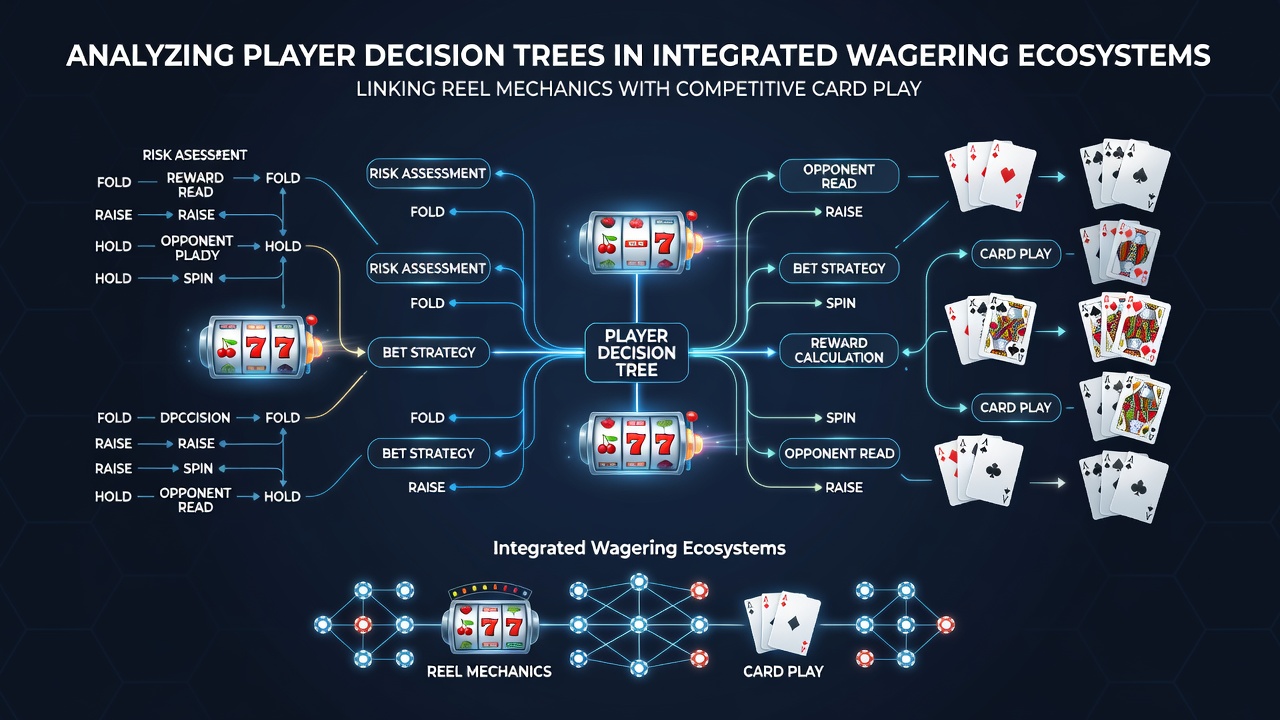
Integrated wagering ecosystems now combine reel-based mechanics with competitive card elements in single platforms, and analysts track how players navigate these merged environments through structured decision trees. These trees represent sequences of choices where an initial reel spin outcome influences subsequent card-based decisions, and data from multiple jurisdictions shows measurable shifts in player behavior when the two formats operate together. Observers note that July 2026 brought new datasets from cross-platform operators that highlight branching points where reel variance directly affects card strategy selection.
Core Structure of Decision Trees in Hybrid Systems
Decision trees in these ecosystems start with reel trigger events such as symbol alignments or bonus activations, then extend into card rounds where players evaluate probabilities, opponent actions, and payout multipliers. Each node captures a distinct choice point, and branches reflect outcomes that either reinforce or redirect the original path. Researchers at institutions tracking North American gaming data have documented how these trees expand when reel results carry forward into card phases, creating longer sequences than those found in isolated formats.
Platform operators record timestamped actions to reconstruct trees after sessions conclude, and the resulting maps reveal clusters around high-volatility reel entries that lead to conservative card play or low-volatility reel starts that encourage aggressive card betting. Evidence from aggregated operator logs indicates that players who encounter stacked wilds on reels tend to tighten their card ranges in the linked phase, while scattered low-symbol outcomes correlate with wider card selection ranges.
Data Patterns Linking Reel Mechanics to Card Strategies
Studies compiled by the Nevada Gaming Control Board and academic partners demonstrate clear statistical associations between reel payout distributions and card decision frequencies. In one dataset covering multi-format accounts, sessions that began with reel bonus triggers above a defined threshold showed a 23 percent increase in fold rates during the subsequent card segment compared with sessions that opened with standard reel spins. These figures come from anonymized transaction records spanning twelve months and multiple operator networks.
Card mechanics within the same ecosystem introduce their own variables, including hand strength distributions and table position effects, yet the preceding reel outcome often sets the initial risk tolerance level. Analysts examining Canadian provincial data have observed similar patterns where progressive reel jackpots that fail to trigger lead players to adopt higher-stakes card wagers later in the sequence, suggesting a compensatory mechanism within the decision tree structure.
Integration Points and Platform Design Choices
Designers configure integration points so that reel results feed directly into card round parameters, such as multiplier carry-over or hand eligibility rules. When a reel cascade produces consecutive wins, the system may unlock premium card tables with elevated blinds or additional community cards, and these modifications alter the depth of the decision tree at that junction. Operators in Australian markets have implemented comparable linkages, and reports from the Australian Communications and Media Authority indicate rising session lengths when such connections remain active throughout play.
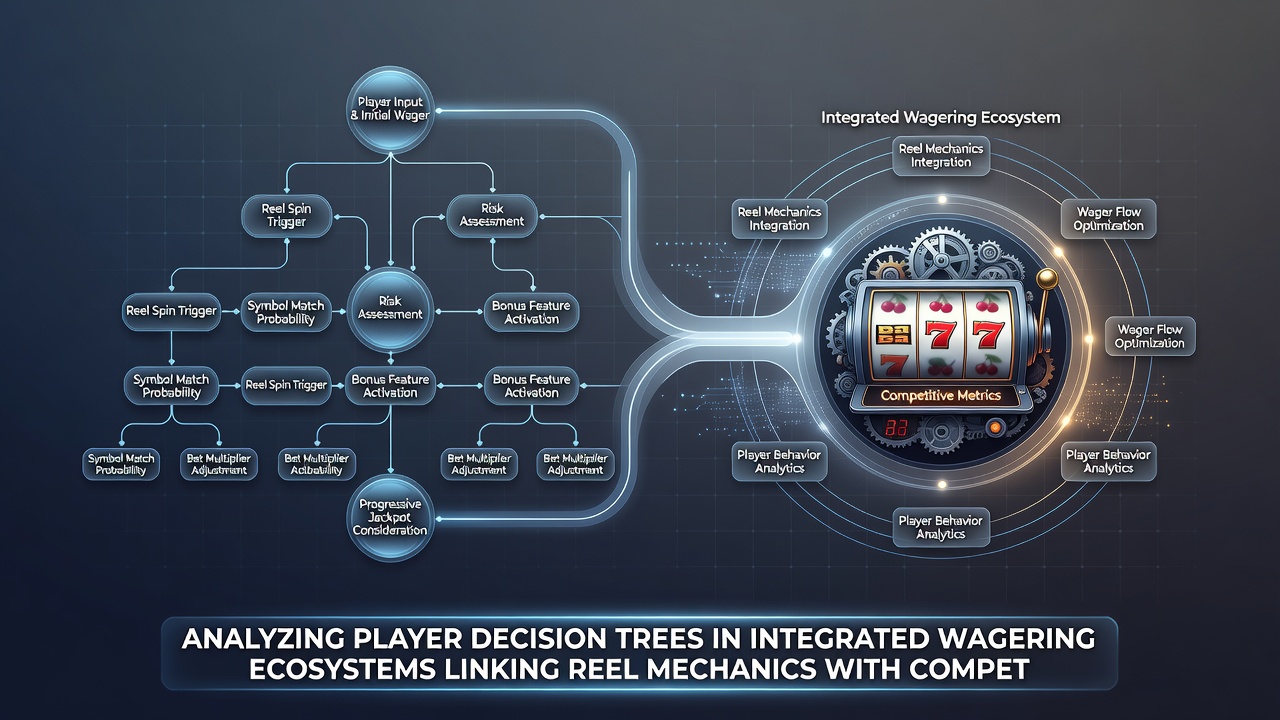
Platform algorithms adjust tree complexity by varying the weight given to reel history when presenting card options. Some systems apply a decay function that reduces the influence of early reel outcomes as card rounds progress, while others maintain full weighting across the entire session. Data released through industry consortium publications shows that decay-weighted models produce more even distribution across decision branches, whereas full-weight models concentrate activity along fewer primary paths.
Analytical Methods Applied to Tree Reconstruction
Analysts reconstruct decision trees using Markov chain representations that treat each reel-card transition as a state change with associated transition probabilities. Machine learning models trained on historical session data identify high-frequency paths and low-frequency outliers, and these models have been validated against hold-out datasets from European regulatory submissions. The resulting visualizations allow operators to pinpoint nodes where player retention drops or where spend accelerates.
External research groups, including those affiliated with university gaming studies programs, apply survival analysis to measure how long players remain on particular branches before exiting or switching formats. Findings indicate that branches beginning with moderate reel wins followed by premium card access maintain engagement longer than branches that open with either extreme reel losses or immediate high-value card opportunities.
Regulatory Context and Reporting Requirements
Regulatory bodies outside the United Kingdom, such as the Nevada Gaming Control Board, require operators to supply anonymized decision-path data when hybrid products exceed defined revenue thresholds. These submissions include aggregate statistics on branch completion rates and average decision depth per session. Similar expectations appear in guidance from Canadian provincial regulators, where integrated products must demonstrate transparent mapping of reel-to-card linkages before licensing approval.
Industry associations have begun publishing voluntary standards for decision-tree documentation, encouraging consistent terminology across operators. These standards cover node labeling, probability weighting, and disclosure of any dynamic adjustments made during active sessions. Adoption rates have increased since mid-2025, with several major platforms aligning their internal analytics pipelines to the shared framework.
Conclusion
Decision tree analysis provides a structured lens for examining how reel mechanics and card competition interact within unified wagering environments. Available datasets from multiple regulatory regions and research institutions demonstrate measurable connections between initial reel outcomes and later card choices, while platform design choices continue to shape the length and distribution of those pathways. Continued collection of transition data through 2026 and beyond will refine these models further, offering clearer pictures of player movement across the combined formats.