Personalized Rewards Reshape Casino Engagement: Data Analytics Tailors Incentives for Slots, Table Games, and Sports Betting
17 Mar 2026
Personalized Rewards Reshape Casino Engagement: Data Analytics Tailors Incentives for Slots, Table Games, and Sports Betting
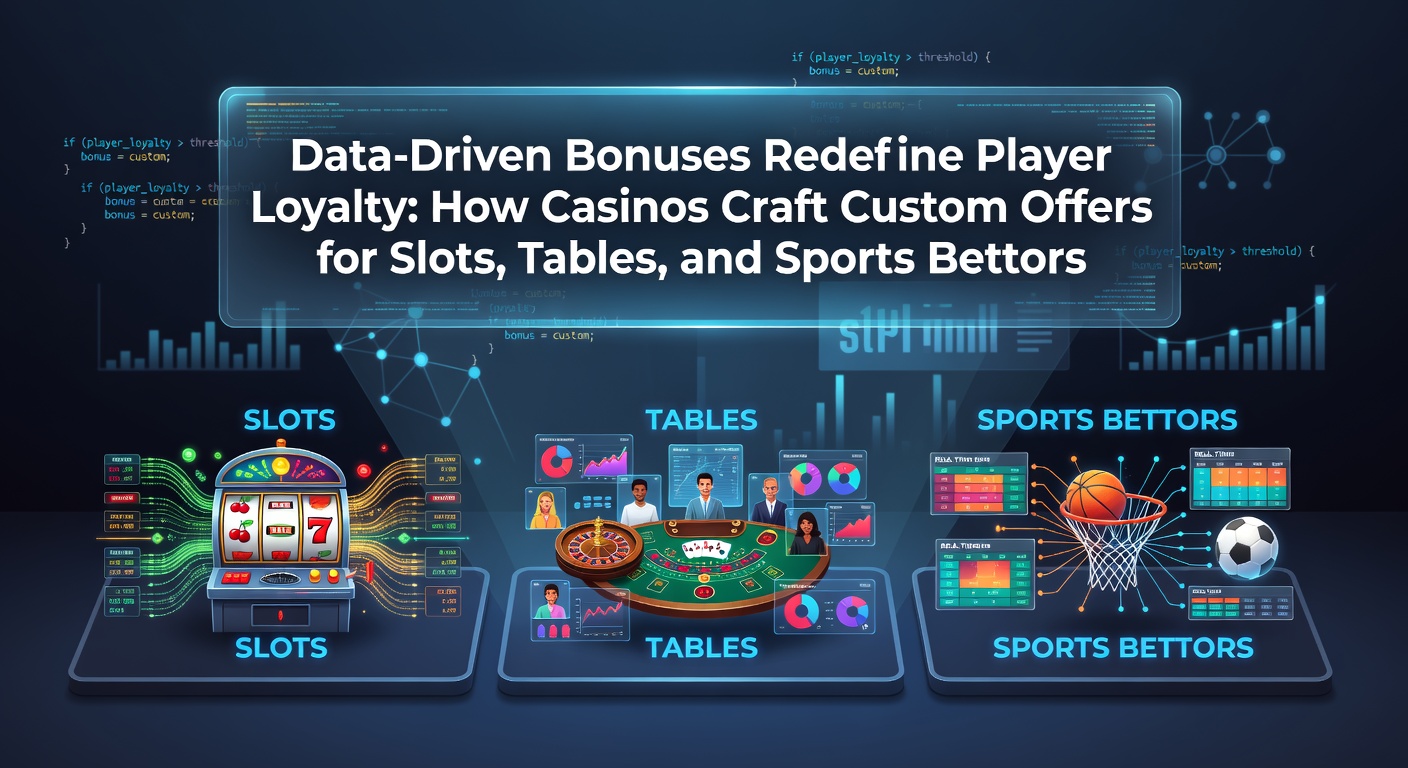
Casinos worldwide harness vast troves of player data to deliver hyper-personalized bonuses, transforming generic promotions into targeted incentives that boost retention across slots, table games, and sports betting; this shift, driven by advanced analytics, has reshaped loyalty programs since the early 2020s, with operators reporting up to 30% higher engagement rates according to a Eilers & Krejcik Gaming industry analysis.
The Mechanics of Data-Driven Personalization
Operators collect behavioral data—such as session duration, wager sizes, game preferences, and even peak playing times—through integrated CRM systems, feeding this information into AI algorithms that predict player needs and craft bespoke offers; for instance, a slots player who favors high-volatility machines might receive free spins on similar titles, while a sports bettor gets enhanced odds on their go-to league, all without the one-size-fits-all deposit matches of old.
What's interesting is how this precision stems from real-time tracking; platforms segment users into micro-cohorts based on lifetime value, churn risk, and affinity patterns, ensuring bonuses align perfectly with individual habits—research from the Nevada Gaming Control Board highlights that such tailored approaches cut acquisition costs by 25% while lifting repeat play.
And yet, the process doesn't stop at data crunching; machine learning models refine offers iteratively, learning from redemption rates and adjusting in hours, not weeks, which keeps players hooked longer than static loyalty tiers ever could.
Slots Bonuses: Volatility Meets Customization
Slot enthusiasts, who account for over 70% of casino revenue in many markets per recent sector reports, benefit most from data-tailored spins and multipliers; algorithms analyze spin history to push notifications for bonus rounds on underplayed favorites, or stack multipliers for big-win seekers, turning casual sessions into loyalty marathons.
Take one operator's campaign where data revealed weekend warriors clustering around progressive jackpots; they rolled out time-specific free play credits tied to those machines, resulting in a 40% uptick in March 2026 session returns as players chased personalized progress bars—figures that underscore how knowing a player's volatility sweet spot redefines retention.
But here's the thing: these aren't random; heat maps of game lobbies guide the offers, so a low-stakes spinner gets volume-based cashback, whereas high-rollers snag VIP entry spins, blending volume data with spend patterns for maximum stickiness.
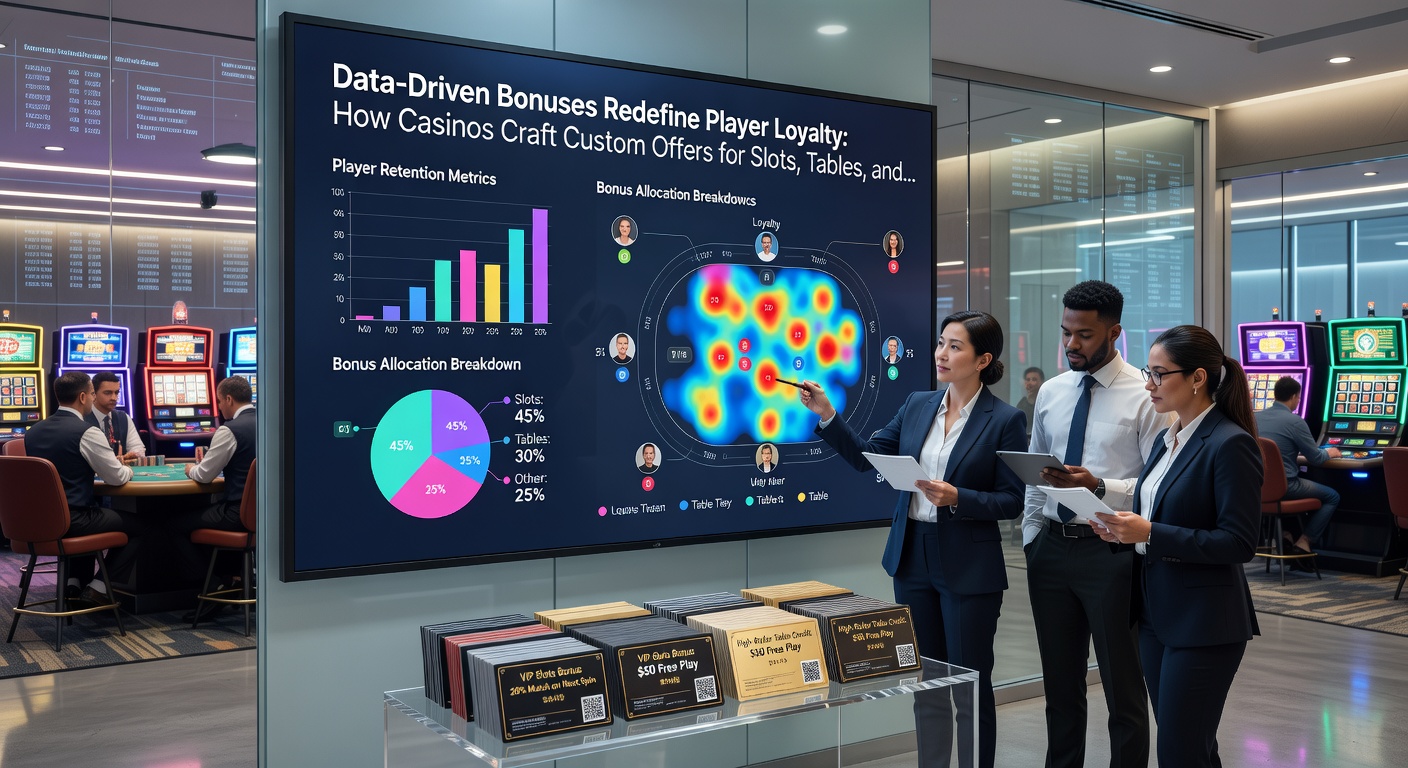
Table Games: Skill-Based Comps and Loss Rebates
Table game regulars—blackjack sharps, roulette devotees, poker grinders—see operators pivot from blanket comps to skill-adjusted rebates, where data on house edge interactions, bet spreads, and win rates informs rebates that feel earned rather than gifted; a player with consistent flat-betting blackjack sessions might unlock reduced house-edge tables or cashback scaled to their theoretical loss.
Observers note how this levels the playing field; one case from a major Las Vegas property used hand-history analysis to offer midweek match-play coupons precisely when data showed drop-offs, spiking table occupancy by 22% and fostering loyalty among pros who value fairness over flash.
So, while slots thrive on volume, tables demand nuance—algorithms factor in social play data too, like group sizes or preferred pit hours, delivering invites to high-limit events that turn solo grinders into community staples, all backed by metrics showing 35% longer dwell times.
Sports Betting: Prop Bets and Parlay Boosts on Demand
Sports bettors, with their event-driven habits, receive odds boosts on favored markets, parlay insurance tied to past combo successes, or prop bet freebies based on player props they've nailed before; data from bet slips reveals patterns—like NFL over/under leanings or tennis set betting—so operators serve up timely promos right before tip-off, capturing impulse wagers.
Turns out, this personalization shines in live betting; real-time streams of in-play data predict shifts, offering cash-outs or boosted lines to high-volume futures players, which data from aggregated platforms shows extends average account lifetimes by 28% amid volatile seasons.
Now, consider March 2026's NBA playoffs, where one sportsbook's AI flagged loyal parlayers and dished custom 20% boosts on star player props; redemptions soared, loyalty scores jumped, proving how event-specific tailoring turns seasonal spikes into year-round allegiance.
Case Studies: Real-World Wins and Metrics
Experts point to DraftKings' 2025 rollout, where slot-specific free-play engines lifted retention 32% by matching RTP preferences to bonus denominations; players who stuck to 96% RTP titles got exclusive drops, while others saw themed bundles—straightforward, yet data shows it outperformed generic spins by double digits.
Over in table realms, MGM Resorts deployed loss-leader rebates calibrated to baccarat squeeze patterns, noting a 25% comp redemption hike as pros returned for the perceived equity; anecdotes from floor managers reveal how such precision quelled complaints, building trust through transparency.
And for sports, FanDuel's parlay optimizer, fed by historical hit rates, boosted user deposits 18% via targeted refunds on near-misses—people who've analyzed the backend say it's the rubber meeting the road, where data turns frustration into fuel for future bets.
Challenges and Regulatory Guardrails
While gains abound, data privacy looms large; operators navigate frameworks like GDPR in Europe or CCPA in California, anonymizing datasets before personalization kicks in, which ensures compliance without diluting efficacy—studies indicate transparent opt-ins further enhance trust, nudging opt-in rates past 65%.
That said, over-reliance risks burnout; algorithms now incorporate fatigue signals, throttling offers to avoid spam fatigue, a tweak that preserved engagement during 2026's high-volume periods.
It's noteworthy that cross-vertical blending adds layers; a slots loyalist dipping into sports might snag hybrid bonuses, like spin credits convertible to bet tokens, expanding wallets across silos seamlessly.
Future Horizons: AI Evolution by 2026 and Beyond
Looking ahead, predictive AI promises even sharper edges; models forecasting life events or mood via play patterns could preempt churn with proactive perks, while blockchain integration verifies bonus fairness—pilots in Ontario, Canada, already test this, hinting at loyalty leaps.
By March 2026, sector watchers expect 50% of bonuses to be fully dynamic, per forward-looking reports, with VR casinos layering biometric data for immersive, player-led rewards; the ball's in operators' courts to balance innovation with ethics, but data trails suggest they're acing it.
Yet, integration with wearables might personalize further, syncing heart-rate spikes to adrenaline-fueled offers during peak excitement—early trials show promise in sustaining flow states longer.
Wrapping It Up: Loyalty in the Data Age
Data-driven bonuses have elevated player engagement from transactional to relational, crafting offers that resonate deeply across slots' flash, tables' strategy, and sports' thrill; metrics confirm the payoff—retention up, churn down, revenues climbing steadily as casinos wield analytics like never before.
Those who've tracked the evolution know it's not hype; it's the new standard, where every wager informs the next win for both sides, ensuring loyalty endures in an ever-competitive landscape.