5 Jun 2026
Player Behavior Analytics Drive Customized Incentives Across Hybrid Gaming Formats in Regulated European Markets
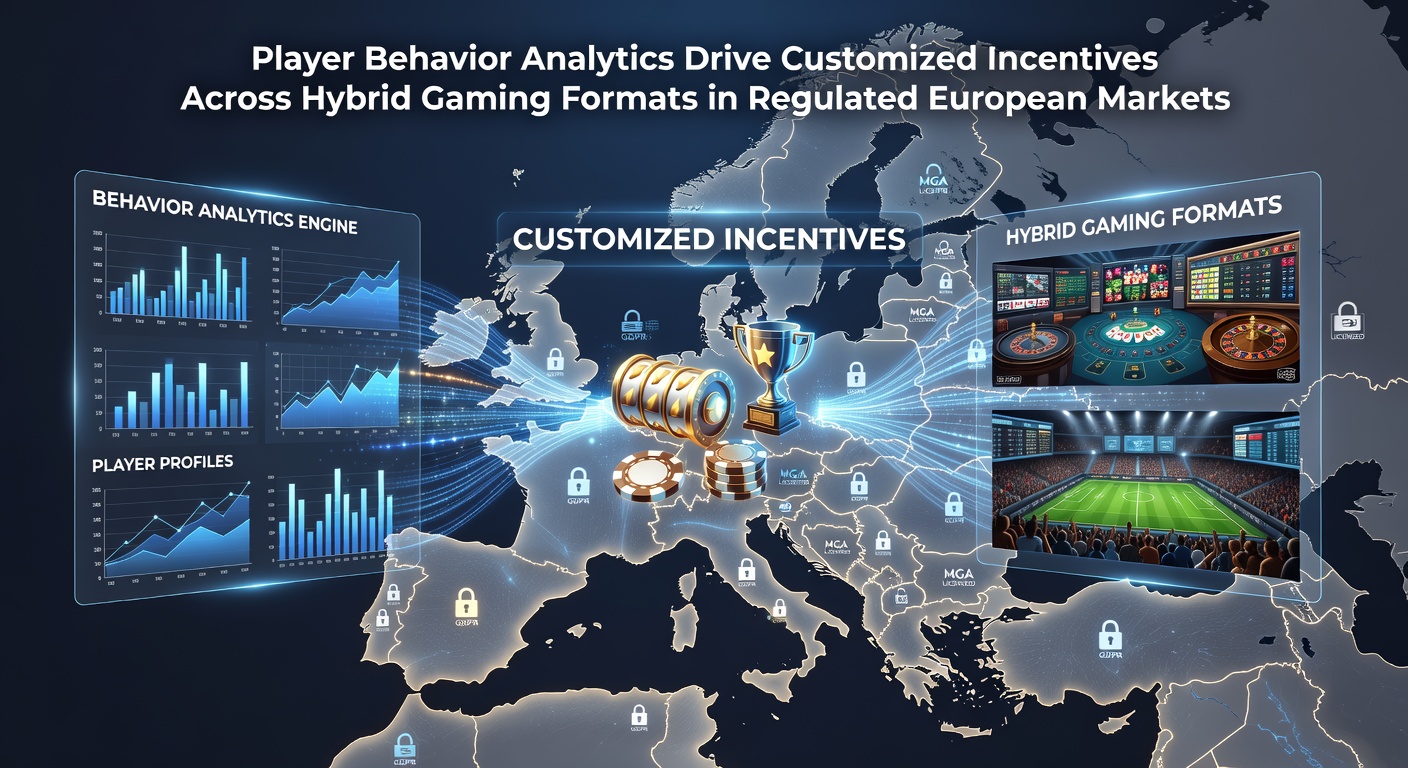
European gaming operators have turned to player behavior analytics to shape reward systems that span multiple formats including mobile slots, live dealer tables, and integrated sports betting platforms, and these systems operate under regulatory frameworks that emphasize responsible play while allowing data-driven personalization.
Analysts track session duration, wager patterns, game type preferences, and response rates to previous offers, then feed the information into algorithms that adjust bonus structures in real time. Research from the University of Malta's gaming studies program shows that operators using such models see measurable shifts in player retention across hybrid environments where users move between formats within a single session.
Data Collection Across Hybrid Environments
Operators collect anonymized data points from slots reels that spin on smartphones, live dealer streams that run in dedicated apps, and sportsbook interfaces that update odds during major events. The same player account often links all three activities, which allows systems to identify when someone who prefers high-volatility slots also engages with live blackjack during evening hours or places in-play football bets on weekends.
Regulators in Malta and the Netherlands require clear consent mechanisms for this data use, and operators must demonstrate that incentives do not encourage excessive play. According to an EGBA industry report on digital tools, European platforms now segment audiences into clusters based on play velocity and format switching frequency rather than broad demographic categories alone.
Customized Incentive Models in Practice
One common approach involves tiered loyalty rewards that activate only when a player combines activity across formats. A user who completes a set number of live dealer rounds after a slot session may receive a matched deposit that applies specifically to sports betting markets, while another player who stays within slots sees different multipliers tied to reel features. These structures rely on machine learning models that update daily, and they draw from historical datasets that stretch back several years in mature markets such as Sweden and Spain.
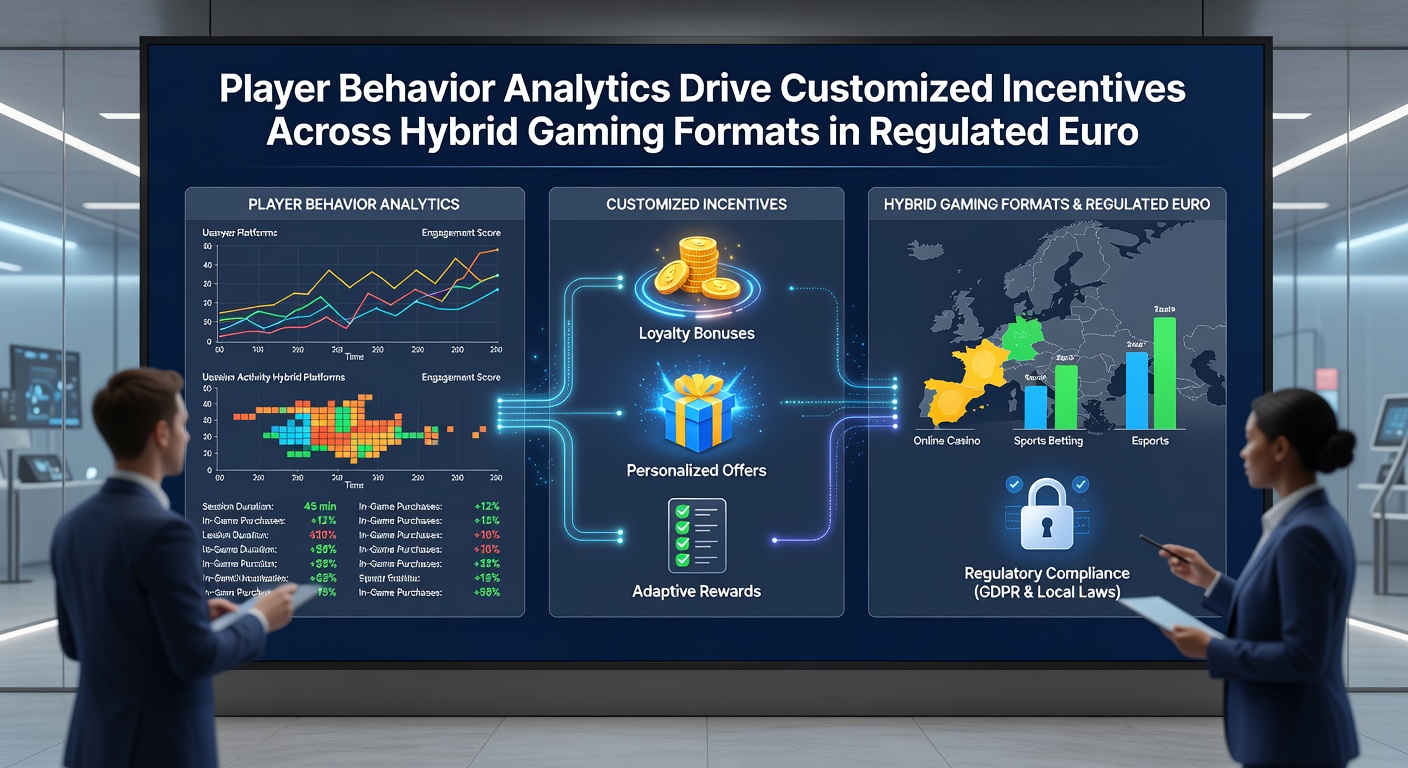
Figures released by the Dutch Kansspelautoriteit in early 2026 indicated that licensed operators increased the proportion of personalized promotions by 18 percent compared with the previous year, with hybrid format bundles accounting for most of the growth. The same data set noted that players receiving tailored offers showed higher completion rates for responsible gambling self-assessments embedded in the apps.
Regulatory Oversight and June 2026 Developments
European regulators continue to refine rules around algorithmic transparency. In June 2026 the Maltese Gaming Authority introduced updated guidelines requiring operators to explain, upon player request, why a particular bonus appeared in their account. The change aims to maintain trust while preserving the commercial value of behavior-based targeting.
Similar conversations have taken place at the European Commission level, where working groups have examined how cross-border data flows affect incentive delivery for operators licensed in multiple jurisdictions. Industry observers note that platforms must now maintain audit trails that show both the data inputs and the logic applied when offers are generated, a requirement that has prompted investment in explainable AI systems.
Impact on Player Engagement Patterns
Studies conducted by academic teams in collaboration with licensed operators reveal that incentives linked to format switching tend to extend average session length without increasing total spend per visit. Players often explore new game types when rewards bridge those experiences, and the effect appears strongest among users who already maintain accounts across slots, live dealer, and sports products.
One documented case involved a Spanish operator that introduced a weekly hybrid challenge requiring three distinct game categories. Completion rates reached 42 percent among the targeted segment, and the operator reported a corresponding rise in cross-format activity that persisted for several weeks after the promotion ended. The model has since been adapted in other markets where local rules permit such mechanics.
Future Outlook for Analytics-Driven Rewards
Technological advances in real-time processing now allow incentives to update mid-session, for example when a player shifts from slots to a live roulette table. These adjustments draw on live behavioral signals rather than static profiles, and they require robust infrastructure that meets data protection standards set by the EU's GDPR framework.
Market forecasts prepared by research firms tracking the sector suggest continued growth in hybrid reward products through the remainder of 2026, particularly as more jurisdictions finalize rules for online and live dealer convergence. Operators that maintain transparent analytics practices stand to align more closely with evolving compliance expectations across regulated European territories.
Conclusion
Player behavior analytics have become a central tool for designing incentives that reflect actual usage patterns across hybrid gaming formats, and regulated European markets continue to shape how these systems operate through licensing conditions and transparency requirements. Data from multiple sources shows measurable effects on engagement metrics, while regulatory updates scheduled or implemented in 2026 reinforce the need for clear explanations and responsible application of the technology.