24 May 2026
Player Reward Ecosystems Transform Engagement Patterns in Mobile Gaming Environments
Player reward ecosystems have expanded across portable gaming environments, integrating points, tiers, daily challenges, and personalized offers that connect directly with user habits on smartphones and tablets. These structures combine progression mechanics with retention tools, and data from industry trackers shows measurable shifts in session lengths along with return frequencies as of May 2026.
Core Components of Modern Reward Systems
Developers build reward layers that include login streaks, achievement badges, and escalating loyalty currencies redeemable for in-game items or real-world perks. Portable platforms support these features through push notifications and seamless wallet integrations, which allow players to track balances without leaving the application. Research indicates that games employing multi-tier loyalty ladders record higher average daily active users compared with titles that rely on single-event promotions alone.
Systems often merge free-to-play progression with optional monetization paths, so participants accumulate rewards through both time investment and purchases. This dual approach appears in titles across genres, and figures released by trade groups reveal that hybrid models sustain longer engagement arcs than purely competitive or narrative-driven alternatives.
Observed Changes in Player Behavior
Engagement metrics tracked by analytics providers show portable gaming sessions extending by measurable margins when reward ecosystems refresh content daily. Players return more consistently to applications that surface tailored missions based on past activity, and cross-device syncing ensures progress carries over between phones and tablets without interruption. One analysis covering markets in North America and Asia Pacific documented a rise in seven-day retention rates for games that introduced adaptive reward schedules during the first quarter of 2026.
Observers note that social sharing features tied to reward milestones further amplify reach, because participants broadcast achievements through built-in feeds. This mechanism creates organic acquisition loops while reinforcing individual commitment through visible status symbols visible to peer networks.
Data Trends Emerging in Mid-2026
Reports compiled by the American Gaming Association highlight that mobile reward programs now account for a growing share of operator marketing budgets in regulated jurisdictions. Participation rates climbed steadily through spring 2026, and segmentation tools allow operators to adjust offer frequency according to individual risk profiles and play patterns. A separate study conducted by researchers at the University of Nevada Reno examined transaction logs across multiple platforms and found that users receiving personalized reward nudges completed more sessions per week than control groups exposed to generic promotions.
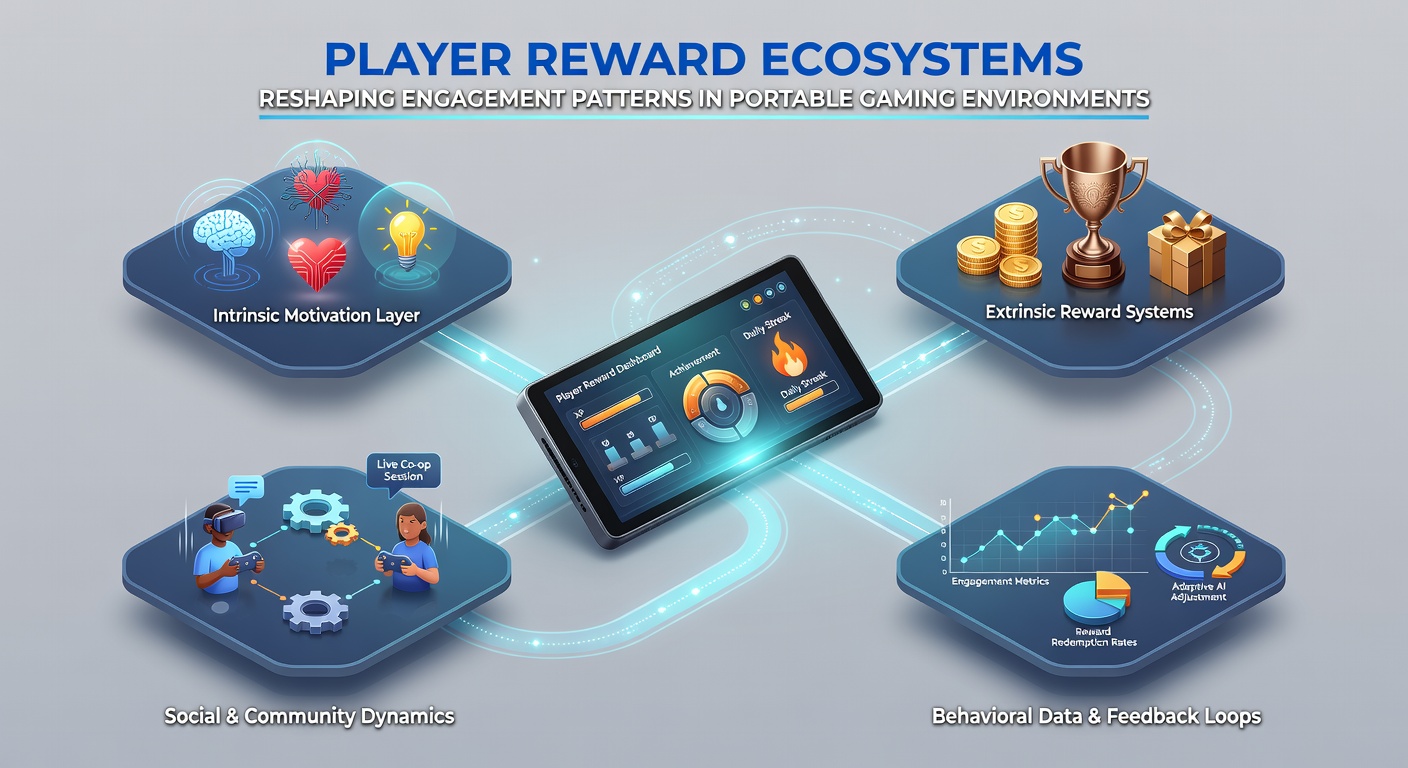
Geographic differences surface in the data, with European operators emphasizing regulatory-compliant bonus structures while North American platforms focus on rapid tier advancement. Australian industry reports from the Interactive Games and Entertainment Association similarly track reward-driven play volume, noting that players respond positively to transparent redemption options that convert virtual currency into tangible prizes.
Implementation Examples Across Platforms
Take one major studio that rolled out a unified reward hub across its portfolio in early 2026. The hub synchronized progress from multiple titles into a single profile, and users gained access to exclusive events after reaching cumulative milestones. Engagement dashboards released after the update showed sustained increases in both time spent and feature exploration rates.
Another case involved a regional operator that introduced streak-based multipliers for consecutive days of play on its portable casino suite. Session data collected over eight weeks indicated that participants who activated the streak feature maintained higher login consistency than those who did not, and the operator adjusted notification timing to reduce churn during holiday periods.
Technical and Regulatory Considerations
Backend infrastructure must handle real-time calculations for millions of concurrent accounts while maintaining fairness algorithms that prevent exploitation. Cloud-based services facilitate this scaling, and encryption standards protect transaction histories across borders. Regulatory frameworks in multiple jurisdictions require clear disclosure of reward probabilities and expiration policies, which operators address through in-app notices and updated terms.
Integration with age-verification systems and responsible gaming tools forms another layer, because reward prompts can influence play intensity. Providers therefore embed session reminders and optional spending caps directly into the reward interface itself.
Conclusion
Reward ecosystems continue to evolve alongside portable hardware capabilities and shifting player expectations. Metrics gathered through May 2026 demonstrate that structured progression systems correlate with altered engagement rhythms, while technical and compliance requirements shape how these features reach users. Ongoing refinements in personalization and cross-platform continuity suggest further adjustments ahead as developers respond to performance data and regulatory guidance from varied regions.