31 May 2026
Regulatory Adjustments Across Jurisdictions Reshape Bonus Strategies in Mobile and Live Dealer Platforms
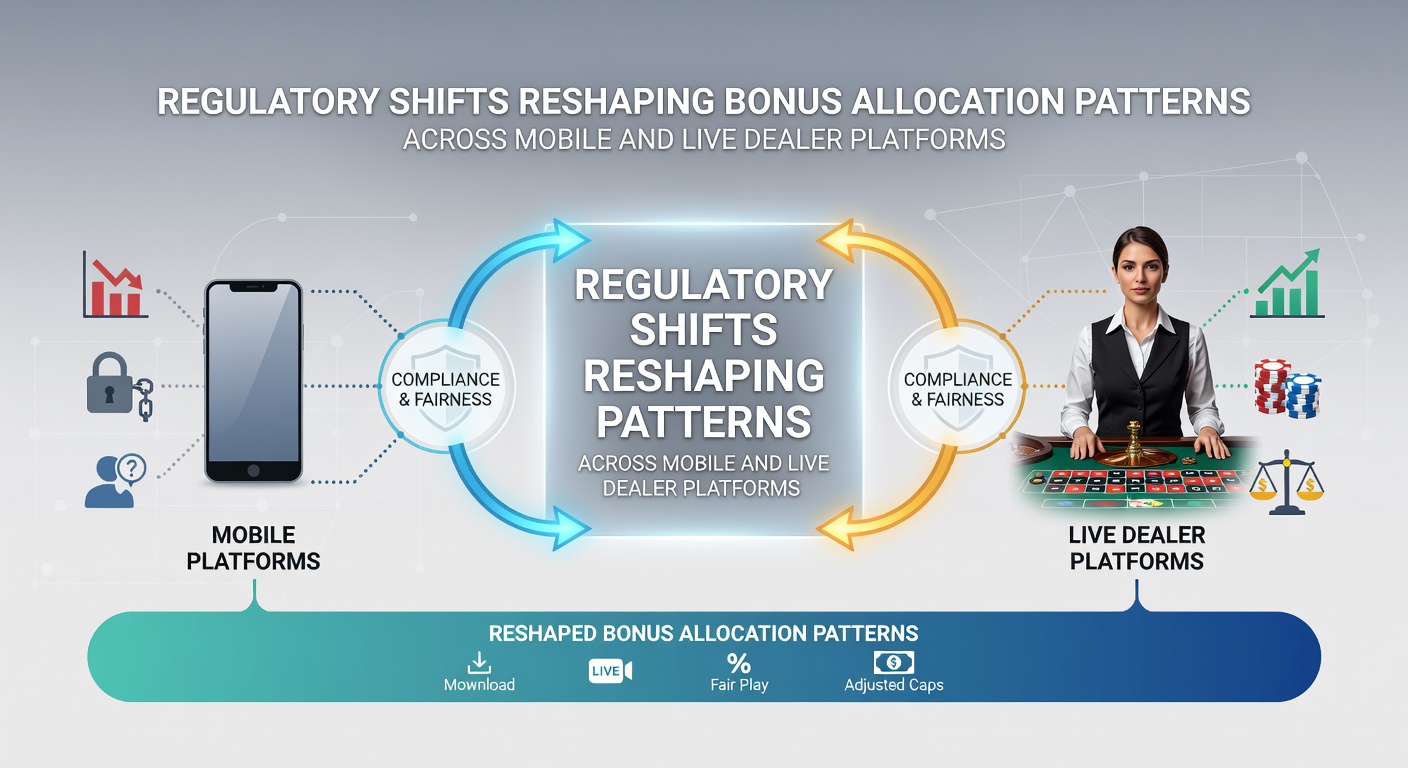
Regulatory frameworks in multiple regions continue to evolve and these developments directly influence how operators distribute bonuses across mobile applications and live dealer environments, with data from May 2026 showing measurable shifts in allocation patterns that prioritize compliance over traditional promotional models. Jurisdictions in Europe, North America, and Asia-Pacific have introduced updated guidelines that restrict certain bonus mechanics, forcing platforms to recalibrate reward systems while maintaining player engagement levels.
Key Regulatory Developments Affecting Bonus Structures
Authorities in Canada released updated compliance standards earlier in 2026 that limit bonus wagering requirements and tie promotional offers to verified player activity thresholds, according to reports from the Canadian Gaming Association. These measures have prompted mobile operators to redirect bonus funds toward personalized reward tiers rather than broad welcome packages, while live dealer platforms adjust table-side incentives to align with real-time verification protocols. Observers note that such changes create longer, interconnected compliance chains where bonus eligibility now depends on cross-platform data sharing between mobile apps and live streaming services.
Similar patterns emerge in Australia where the Australian Communications and Media Authority updated its interactive gambling rules in spring 2026, emphasizing transparency in bonus terms and restricting auto-renewal features on both mobile and live dealer interfaces. Operators responded by restructuring loyalty bonuses into segmented pools that allocate higher percentages to verified sessions on live tables, while mobile users receive adjusted free spin equivalents that comply with session-based caps. This approach connects regulatory demands with operational adjustments without disrupting revenue streams, as figures from industry tracking services indicate stable retention rates despite the modifications.
Impact on Mobile Platform Allocations
Mobile casino applications face particular pressure because regulators increasingly scrutinize in-app notifications and push-based bonus deliveries, leading many providers to consolidate offers into centralized dashboards that require explicit user consent before activation. Research compiled by the International Association of Gaming Regulators highlights how these consent layers reduce spontaneous bonus uptake by measurable margins, prompting developers to integrate bonus allocation directly into gameplay loops rather than separate promotional menus. Live dealer streams meanwhile incorporate synchronized mobile notifications that mirror table-side rewards, creating unified allocation patterns across device types.
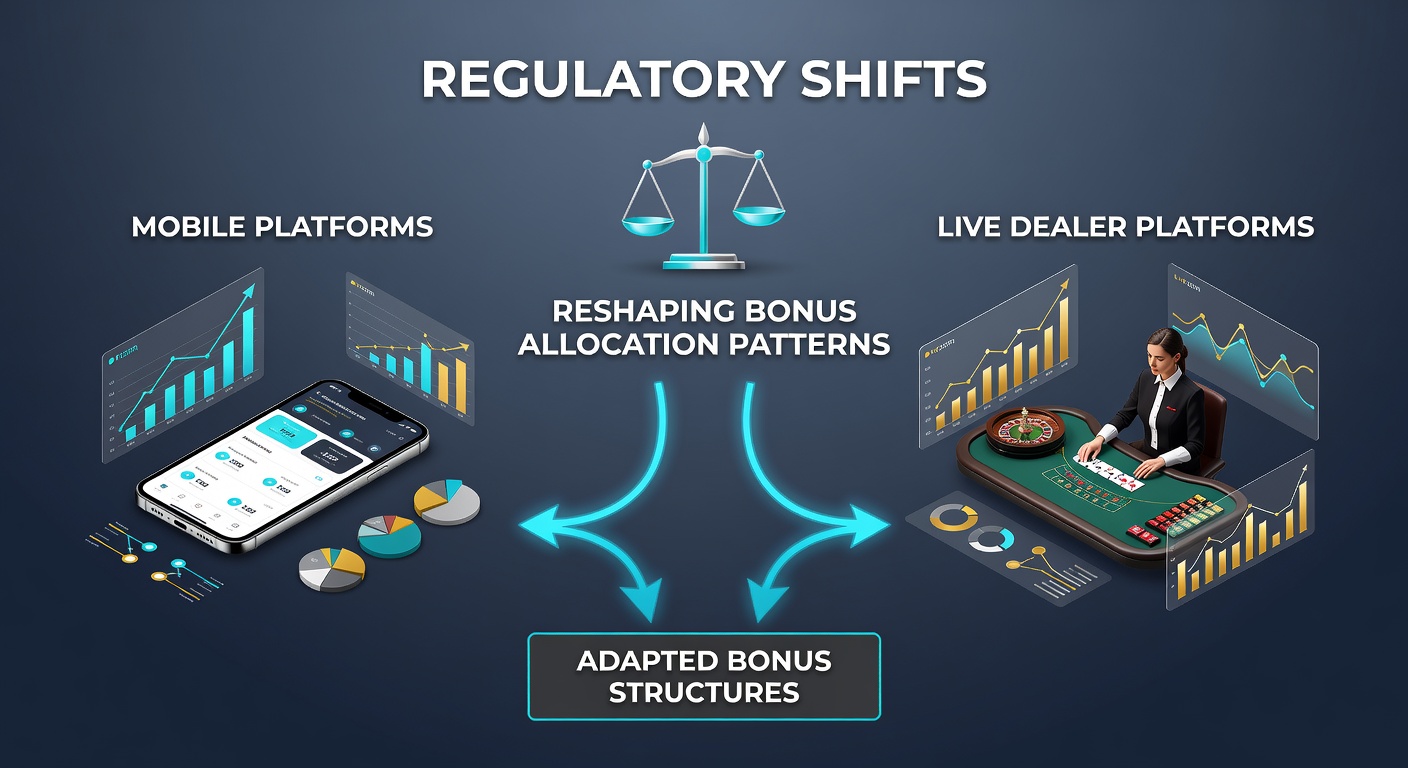
Platforms operating in multiple markets report that bonus budgets now flow through compliance scoring systems where each reward category receives weighted values based on regional rules, and this scoring influences everything from deposit match percentages to cashback rates on live dealer tables. Those who manage cross-border operations often discover that mobile allocations shrink in stricter jurisdictions while live dealer bonuses expand in regions with more flexible oversight, resulting in dynamic redistribution models that update monthly.
Live Dealer Platform Adjustments and Cross-Platform Trends
Live dealer environments encounter distinct challenges because regulators examine real-time interactions between hosts and players, particularly when bonuses involve table-specific multipliers or side bets. Updated directives from the Malta Gaming Authority require detailed logging of bonus-triggered decisions during streamed sessions, which has led operators to develop backend algorithms that allocate rewards only after verifying session integrity across both mobile viewers and physical table participants. Data from 2026 tracking services shows that such verification steps extend average bonus processing times yet maintain overall distribution volumes through optimized scheduling.
What's interesting is how these regulatory pressures encourage hybrid allocation strategies where mobile users earn credits that convert seamlessly into live dealer advantages, and vice versa, creating closed-loop systems that satisfy multiple oversight bodies simultaneously. Industry reports from the European Gaming and Betting Association document rising adoption of these conversion mechanisms, noting that they reduce duplicate compliance filings while preserving the promotional value players expect. One study from a European research institute revealed that platforms implementing unified tracking saw bonus redemption rates stabilize even as individual offer sizes adjusted downward in response to new caps.
Conclusion
Global regulatory shifts continue to redefine bonus allocation across mobile and live dealer platforms as operators adapt to jurisdiction-specific requirements through data-driven redistribution and consent-based delivery systems. Patterns observed through May 2026 demonstrate that compliance integration now shapes reward structures at every level, from initial sign-up incentives to ongoing loyalty mechanics, while maintaining operational continuity. Those monitoring these developments recognize that future adjustments will likely build on existing frameworks rather than introduce entirely separate models, ensuring bonus patterns evolve in step with regulatory expectations worldwide.