28 Jun 2026
Reward Architectures Powering Sustained Interest in Cross-Format Betting Activities
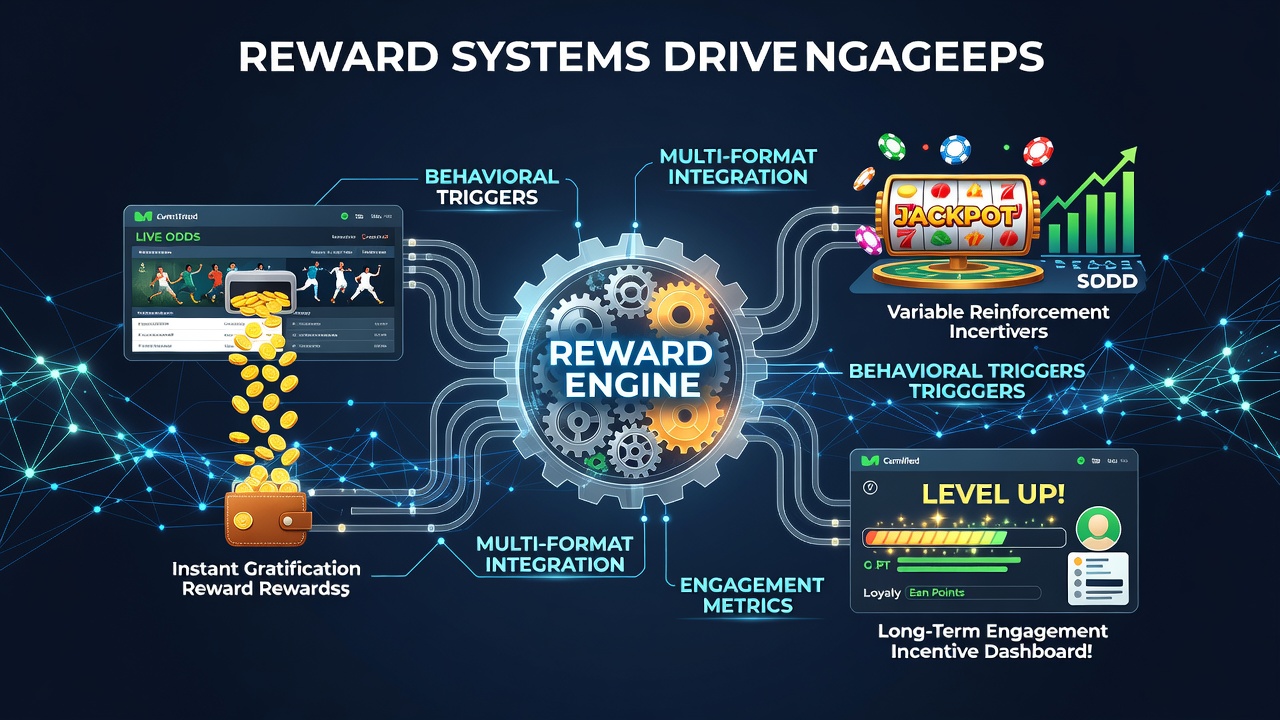
Multi-format betting environments combine slots, live dealer tables, sports wagering, and crash-style games on single platforms, and reward systems serve as the connective tissue that maintains user activity across these offerings. Operators design these systems around points accumulation, tier progression, and targeted incentives that adjust based on individual play patterns rather than uniform distribution. Data from platform analytics shows that players who engage with multiple formats within one session receive compounded rewards more frequently than single-format participants, which correlates with longer session durations and higher return rates.
Core Components of Reward Mechanics
Points-based systems convert wagering activity into redeemable currency or privileges, and these points often carry different multipliers depending on the format. Slots typically generate baseline points at a standard rate, whereas live dealer interactions and sports bets apply variable rates tied to game volatility or bet complexity. Cashback structures return a percentage of net losses over defined periods, and these returns frequently scale with loyalty tier status achieved through cumulative activity. Free spin allocations and bonus bet credits activate after specific thresholds, yet the timing and value of these triggers differ across operators to align with retention goals documented in industry reports.
Cross-Format Integration Strategies
Platforms link rewards so that activity in one format unlocks benefits usable elsewhere, and this linkage encourages format exploration. A player completing a sports wager might receive credits applicable to live dealer tables, while slot volume contributes to sports-related perks such as boosted odds. Research from the American Gaming Association indicates that integrated programs produce measurable increases in multi-format participation compared with isolated promotions. Algorithms track behavioral sequences to deliver personalized offers, such as table game bonuses after extended slot sessions, which maintains momentum without requiring manual player requests.
Behavioral Data and Engagement Patterns
Analytics platforms record that reward visibility influences decision-making at key moments, including deposit prompts and game selection screens. Players respond to progress bars showing tier advancement and countdown timers on limited-time multipliers, and these visual elements appear consistently across mobile and desktop interfaces. Studies compiled by academic researchers at institutions tracking gambling behavior note that immediate reward feedback, delivered through on-screen notifications, sustains engagement more effectively than delayed monthly summaries. In June 2026, updated reporting frameworks from several North American jurisdictions are expected to require clearer disclosure of reward terms, which will standardize how operators present these mechanics to users.
Technological Drivers Behind Reward Delivery
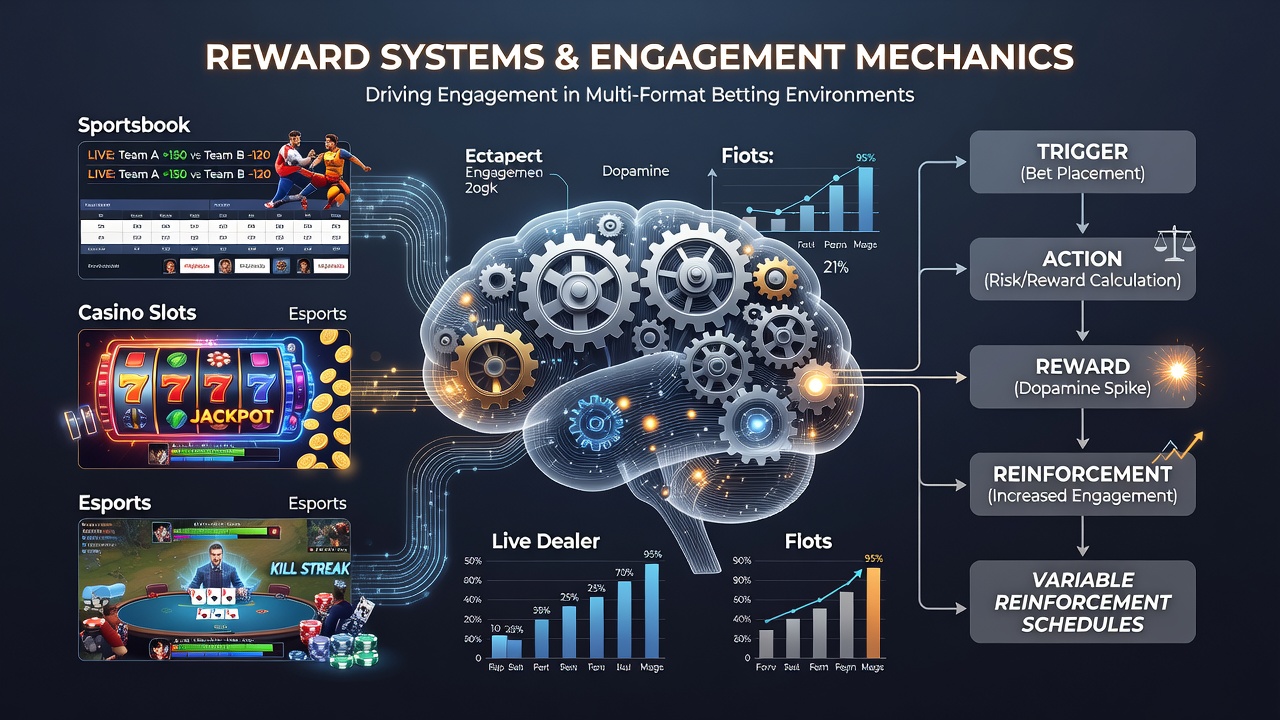
Real-time data processing enables instant point updates and personalized reward offers during active sessions, and machine learning models refine these offers based on historical response rates. API connections between game providers and central loyalty databases ensure that activity in third-party titles feeds into the same reward pool used for proprietary content. Security protocols verify transactions and prevent exploitation of bonus terms, while audit trails satisfy regulatory requirements from bodies such as those overseeing operations in Canadian provinces. Operators who maintain transparent terms experience fewer disputes, according to figures released by the European Gaming and Betting Association.
Future Adjustments in Reward Design
Regulatory shifts scheduled for mid-2026 will likely emphasize responsible reward structures that include spending caps and cooling-off mechanisms tied to loyalty status. Platforms are already testing segmented reward pools that differentiate between high-frequency and occasional participants to balance commercial objectives with compliance standards. Continued refinement of predictive analytics will allow more precise timing of incentives, reducing instances where rewards fail to match user preferences across the range of available formats.
Conclusion
Reward systems in multi-format betting environments operate through interconnected points, tiers, and personalized triggers that respond to cross-format activity. Integration across slots, live dealers, and sports markets relies on real-time data and algorithmic adjustments that keep participants moving between offerings. As disclosure requirements evolve into 2026, operators continue adapting these mechanics to maintain engagement while meeting transparency expectations from diverse regulatory regions.