Slots, Stakes, and Shifts: Unpacking the Latest in Britain's Casino Landscape
31 Mar 2026
UK Gambling Commission Tightens Rules on Casinos Providing Money Services with March 2026 Notice Update
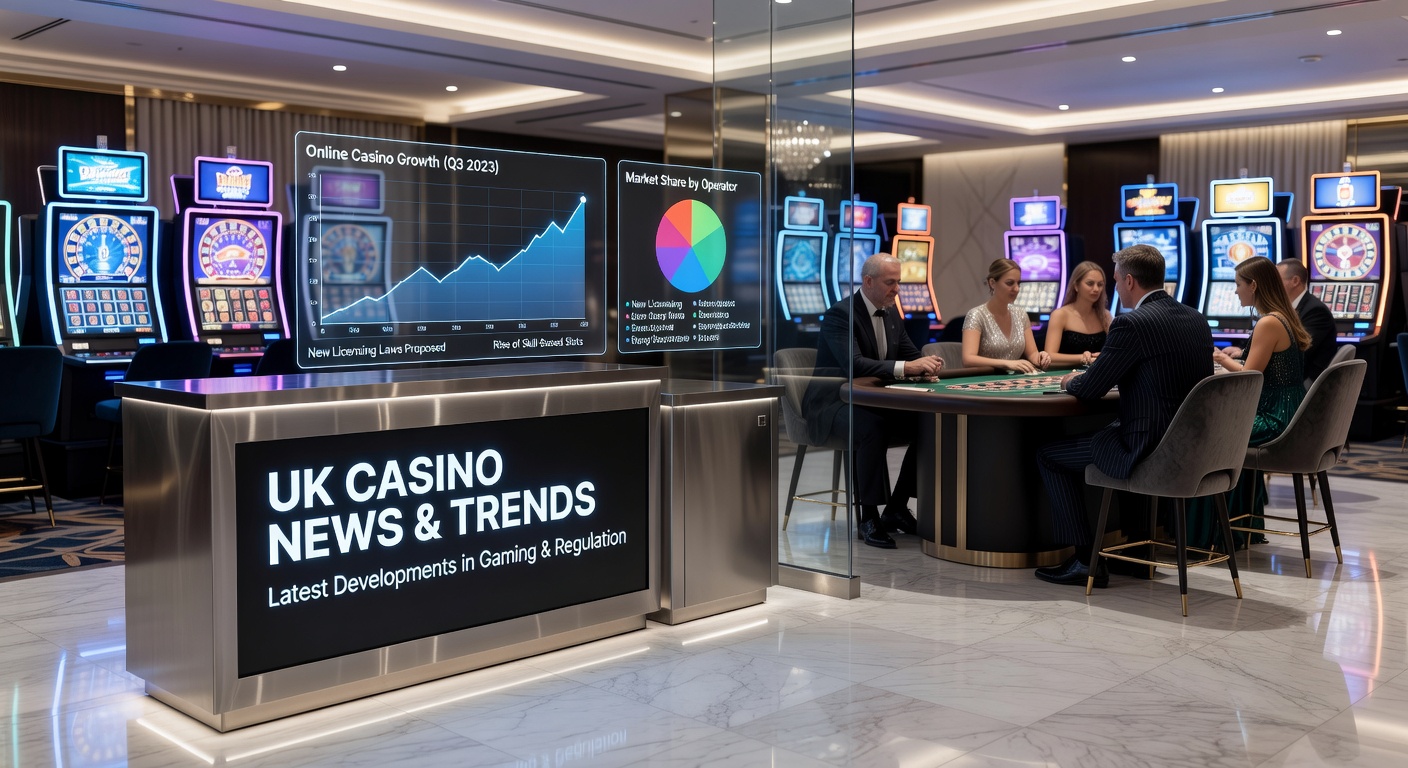
The Core of the Updated Regulatory Notice
On 26 March 2026, the UK Gambling Commission released an updated regulatory notice targeted specifically at UK casinos that offer money service businesses, or MSBs, such as third-party cheque cashing, money transfers, and foreign currency exchange; this move requires operators to notify the Commission via email within ten days of either starting or ceasing these services, while providing key details like the casino's full name, licence number, precise dates of activity, types of services involved, and confirmation on whether those activities demand authorisation from the Financial Conduct Authority under applicable money laundering regulations.
What's interesting here is how this update builds directly on a February 2026 notice, refining procedures to bolster anti-money laundering, or AML, compliance across casino operations; operators now face clearer expectations, ensuring they flag MSB activities promptly so regulators can monitor potential risks in real time.
Casinos have long provided these ancillary services to accommodate patrons, yet the Commission's sharper focus underscores vulnerabilities where gambling venues could inadvertently facilitate illicit fund flows; by mandating notifications, authorities aim to map out the landscape, identifying patterns or hotspots that warrant closer scrutiny.
Breaking Down Money Service Businesses in Casinos
Money service businesses encompass a range of financial activities, including third-party cheque cashing where casinos process cheques not issued to themselves, money transfers that move funds domestically or internationally, and foreign currency exchange that converts notes for gamblers from abroad; these services, while convenient, sit at the intersection of gaming and finance, drawing regulatory eyes because data from past enforcement actions shows casinos sometimes serve as entry points for laundered proceeds.
The updated notice spells out exactly what operators must report: full business name alongside the Gambling Commission licence number, start and end dates for the services, a breakdown of service types offered, and a straightforward yes-or-no on FCA authorisation needs under the Money Laundering, Terrorist Financing and Transfer of Funds Regulations 2017; missing this ten-day window could trigger compliance reviews or enforcement, although the notice itself stops short of prescribing penalties upfront.
And here's where it gets practical: casinos already licensed for gaming now navigate dual oversight from the Gambling Commission and potentially the FCA, depending on MSB scale; smaller operations might handle occasional exchanges without full authorisation, but larger ones crossing thresholds face stricter rules, a nuance the update clarifies to prevent grey areas.
Take one casino operator who ramped up cheque cashing post-pandemic; under prior guidance, they might have flown under the radar, but now notification ensures the Commission tracks such expansions, aligning with broader efforts to fortify the sector against financial crime.
Context from the February Precursor and Evolving AML Landscape
This March update doesn't emerge in a vacuum; it refines a February 2026 notice that first flagged MSB activities in casinos, prompting initial notifications and setting the stage for ongoing vigilance; by iterating so quickly, the Commission signals urgency, responding perhaps to intelligence on rising MSB usage amid economic shifts or post-Brexit currency dynamics.
Experts who've tracked casino regulations note that MSBs have always posed AML challenges because high-volume cash environments like casino cages attract those seeking to layer dirty money through legitimate transactions; studies from the National Crime Agency reveal that gambling sectors accounted for notable suspicious activity reports in recent years, with cheque cashing and exchanges frequently cited.
So casinos must now email notifications to a dedicated Commission address, attaching all required details in a standardised format; this streamlines oversight, allowing regulators to cross-reference against licence conditions and FCA registries without operators bearing excessive paperwork burdens.
But here's the thing: non-compliance risks escalate quickly in this regime, as the Gambling Commission holds powers under the Gambling Act 2005 to impose licence conditions, warnings, or revocations if operators flout notice requirements; while the update focuses on notification, it ties into Licence Condition 12, which demands robust AML policies tailored to MSB risks.
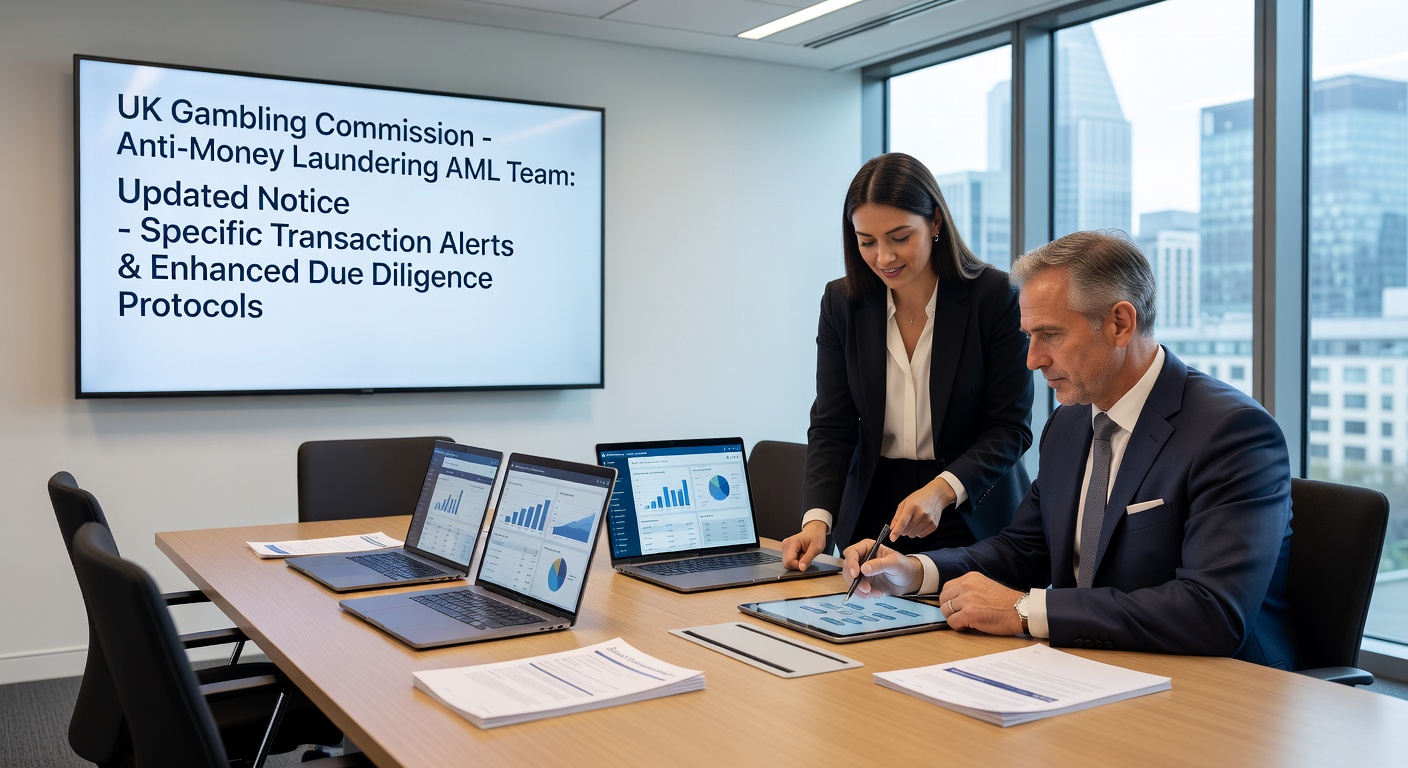
Operational Impacts on Casino Operators
UK casinos, numbering around 150 non-remote venues as per Commission data, will need to integrate these notifications into compliance workflows; larger chains with multiple sites might centralise reporting through head offices, whereas independents could assign dedicated compliance officers to monitor service starts and stops.
Foreign currency exchange, popular in tourist-heavy spots like London or Manchester casinos, often spikes seasonally, requiring swift notifications when booths activate or wind down; similarly, money transfers via partnerships with firms like Western Union demand the same vigilance, ensuring FCA status checks happen routinely.
Observers point out that while the ten-day rule offers flexibility, proactive operators log activities daily, turning compliance into a seamless process rather than a scramble; one case from earlier Commission guidance involved a venue that voluntarily disclosed MSB ops, earning praise for transparency and avoiding hiccups.
That said, the update emphasises record-keeping, as notifications serve as audit trails during inspections; casinos must retain evidence of emails sent, service details, and FCA confirmations, feeding into annual AML returns that the Commission reviews rigorously.
Now, for those dipping toes into MSBs anew, the notice acts as a green light with guardrails: notify first, assess FCA needs second, and embed risk assessments third; this sequenced approach helps smaller casinos test waters without regulatory blind spots.
Broader Ties to Anti-Money Laundering Frameworks
The Gambling Commission's push aligns with national AML strategies, where casinos rank as "high-risk" under the 2020 Money Laundering Regulations due to cash intensity and anonymous play options; MSBs amplify this, as unchecked cheque cashing can convert illicit cheques into spendable cash, while transfers obscure origins across borders.
Casinos providing money service business activities (prior notice) documents outline similar themes, but the March iteration sharpens teeth with mandatory timelines; data indicates that post-2020, suspicious transaction reports from gambling rose 20%, per FCA figures, underscoring why notifications matter now more than ever.
Yet casinos aren't alone; the notice encourages collaboration with the FCA, where MSB authorisation hinges on factors like annual transaction volumes exceeding £1,000 for certain services or handling over 100 customers yearly; operators confirming "no authorisation needed" still face Commission verification, closing potential loopholes.
People in compliance roles often discover that training staff on MSB spotting pays dividends, as enhanced due diligence on high-value cheques or unusual transfers feeds directly into notification accuracy; it's not rocket science, but consistent execution separates compliant venues from those inviting audits.
Conclusion
The 26 March 2026 updated notice from the UK Gambling Commission marks a pivotal step in fortifying casino AML defences through mandatory MSB notifications; by requiring ten-day email reports with detailed disclosures on services like cheque cashing, transfers, and exchanges, alongside FCA authorisation checks, regulators equip themselves to oversee a landscape rife with financial crime risks.
This builds seamlessly on February's foundation, reflecting adaptive governance that responds to emerging patterns without overhauling licences; operators who embed these processes early sidestep pitfalls, maintaining trust while serving patrons' needs.
In the end, the ball's in casinos' court: notify promptly, document thoroughly, comply fully; as the sector evolves, such measures ensure UK gaming remains a clean playground, free from money laundering shadows.