17 May 2026
Tiered Rewards Systems: Maintaining User Activity in Poker Apps and Sports Wagering Sites
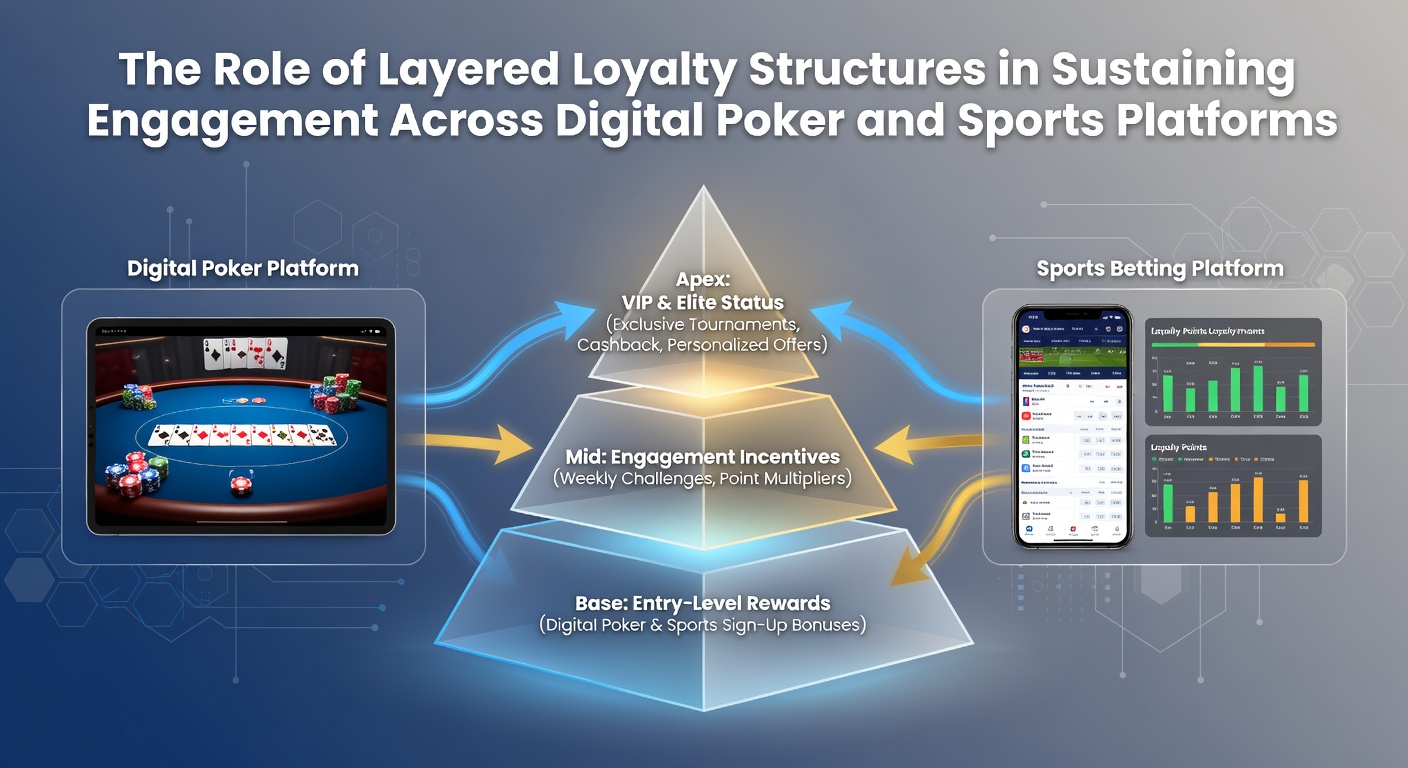
Layered loyalty structures operate through multiple tiers that unlock progressive benefits as users accumulate activity points across digital poker rooms and sports betting interfaces, and these systems create pathways where initial entry-level rewards evolve into premium access and personalized incentives that encourage repeated logins and sustained play sessions. Observers note that such frameworks often integrate elements like cashback percentages, exclusive tournament entries, and bonus multipliers which scale according to user tenure and spending patterns, while data from industry reports indicates these mechanisms help platforms retain participants beyond the initial signup phase.
Core Components of Tiered Reward Frameworks
Points accumulation forms the foundation where every hand played in poker or wager placed on sports events contributes to a user's standing, and platforms calculate these metrics in real time to determine tier progression, which typically spans from bronze or silver entry levels up through gold, platinum, and diamond designations. Researchers have documented how each advancement brings tangible upgrades such as faster withdrawal processing, dedicated account managers, and invitations to invite-only events, whereas the structure also incorporates time-bound challenges that reset periodically to maintain momentum without overwhelming casual participants.
Personalization algorithms analyze individual behavior patterns to tailor offers, so a frequent sports bettor might receive targeted free bets on upcoming matches while a poker regular sees sit-and-go ticket rewards, and this differentiation helps prevent one-size-fits-all fatigue that can erode engagement over months of use. Studies reveal that platforms deploying these adaptive layers report higher average session durations compared to flat reward models, because users perceive ongoing value that matches their specific habits and preferences.
Implementation Across Digital Poker Environments
In online poker settings, layered systems often emphasize volume-based achievements such as hands played or rake generated, which feed directly into tier status and unlock features like reduced rake percentages at higher levels or priority seating in high-traffic tables, and operators combine these with milestone bonuses that celebrate cumulative play milestones reached over weeks or months. One operator analysis showed participants who climbed two or more tiers within their first quarter demonstrated retention rates exceeding those of entry-level users by substantial margins, because the visible progress markers create psychological investment in continued participation.
Freeroll tournaments and satellite qualifiers frequently serve as mid-tier perks that bridge recreational players toward competitive circuits, while top-tier members gain access to coaching resources or data analytics tools that enhance skill development, and these layered offerings turn loyalty programs into skill-building ecosystems rather than pure financial incentives. Platforms adjust qualification thresholds seasonally to reflect player distribution, ensuring the structure remains attainable yet aspirational across diverse user bases.

Application in Sports Betting Platforms
Sports wagering sites layer loyalty through a combination of stake volume, event variety, and prediction accuracy metrics that determine tier elevation, granting benefits ranging from enhanced odds boosts to parlay insurance on select markets, and users who maintain consistent activity across football, tennis, and basketball seasons often receive accelerated point multipliers during major tournaments. According to findings from the American Gaming Association, these graduated structures correlate with increased cross-sport participation because rewards encourage exploration beyond initial favorite leagues.
Live betting environments integrate loyalty elements particularly effectively since real-time wagers generate points rapidly during matches, allowing users to climb tiers within single events and redeem micro-rewards like cashback on losing bets before the final whistle, whereas seasonal promotions tied to league standings add another dimension that keeps engagement high even during off-peak periods. Platforms monitor regulatory compliance across jurisdictions to align these structures with local requirements, ensuring reward transparency remains consistent.
Retention Metrics and Observed Patterns
Retention analytics from multiple operators demonstrate that users enrolled in multi-tier programs exhibit longer lifecycle engagement, with average monthly active days rising as individuals progress through reward brackets, and this pattern holds across both poker and sports verticals where combined play across categories further accelerates tier movement. Data indicates that milestone celebrations, such as anniversary bonuses delivered around account creation dates, reinforce habitual returns without requiring additional marketing spend.
Geographic variations appear in how these systems perform, with North American markets showing stronger uptake of sports-linked tiers while European poker communities respond more to volume-based recognition, and operators refine global templates accordingly based on regional performance indicators compiled through 2025 into May 2026 reporting cycles. External benchmarking from sources like the Canadian Gaming Association highlights how integrated loyalty layers across product verticals reduce churn compared to siloed reward schemes.
Conclusion
Layered loyalty structures continue to evolve as central tools for maintaining user activity within digital poker and sports platforms by combining progressive rewards with behavioral personalization that adapts to individual patterns over extended periods. Evidence from operational data and regulatory filings shows these frameworks deliver measurable retention improvements when calibrated to user volume and preference diversity, while ongoing refinements ensure alignment with changing market conditions and participant expectations. Platforms that balance accessibility at lower tiers with meaningful exclusivity at higher levels sustain engagement across both verticals without relying on singular promotional tactics.