UK Gambling Commission ramps up fight against illegal betting with tech partnerships and fee hikes in Tim Miller's BGC speech
12 Mar 2026
UK Gambling Commission ramps up fight against illegal betting with tech partnerships and fee hikes in Tim Miller's BGC speech

Key highlights from the BGC Annual General Meeting speech
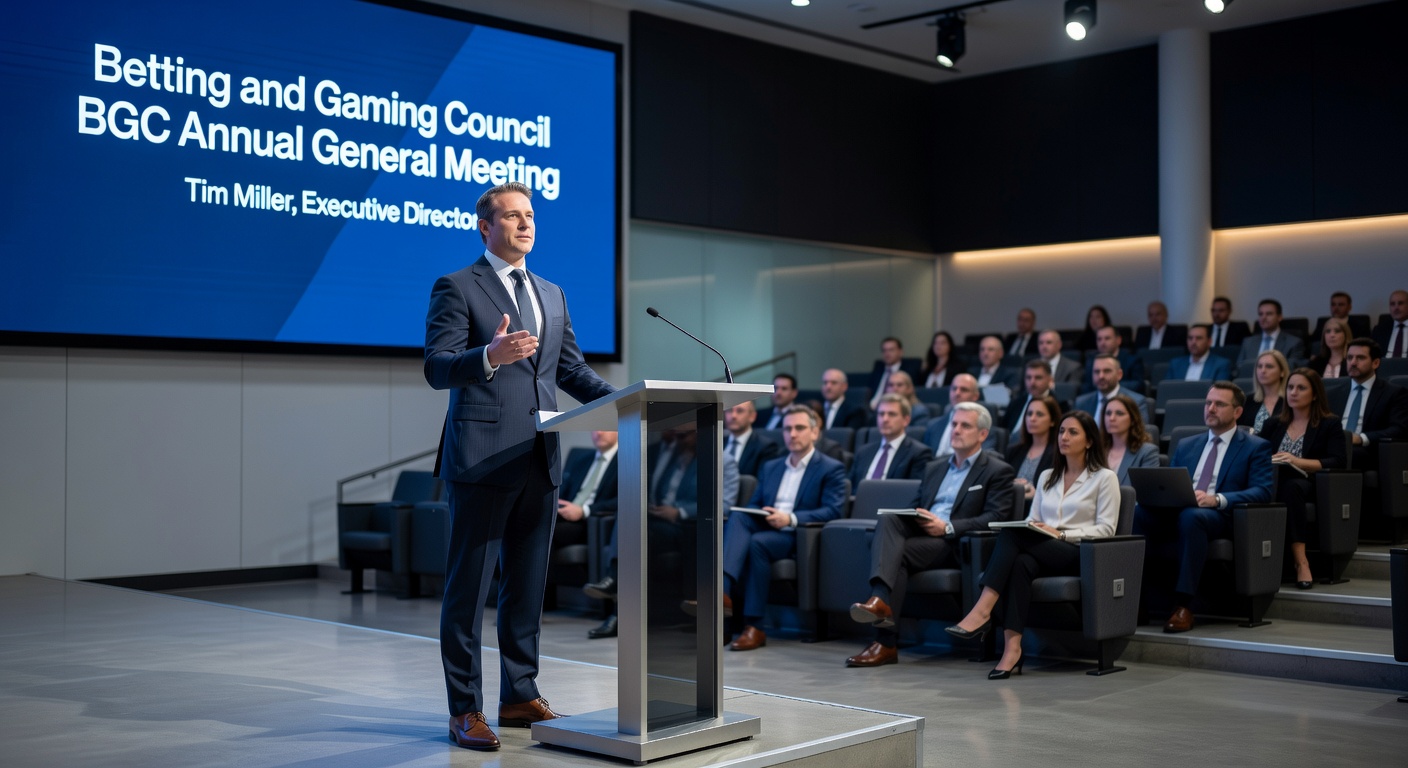
At the Betting and Gaming Council (BGC) Annual General Meeting set for early 2026, Tim Miller, Executive Director of the UK Gambling Commission, laid out a clear plan to intensify crackdowns on illegal gambling; he emphasized stronger enforcement measures alongside collaborations with tech giants like Meta, and floated a proposed increase in licensing fees to 0.28% of Gross Gambling Yield (GGY) aimed at funding these expanded initiatives. Observers note how this approach builds on existing efforts, targeting operators who skirt regulations while bolstering the regulated market's tools against illicit activities.
But here's the thing: Miller didn't stop at penalties; he spotlighted partnerships as a game-changer, pointing to ongoing work with platforms such as Meta to detect and disrupt illegal gambling ads before they reach users, a move that leverages AI and data-sharing to stay ahead of rogue networks. adn while enforcement ramps up, the speech underscored a balanced stance, supporting innovations within the regulated space like cryptocurrency payments and in-person sports books in casinos.
Take Paddy Power's setup at the Hippodrome Casino in London, for instance; Miller highlighted it as a prime example of low-risk innovation, where physical sports betting integrates seamlessly with licensed operations, drawing crowds without veering into high-stakes pitfalls. This nod to real-world cases shows regulators recognizing setups that enhance player experience while keeping risks in check.
Enforcement push meets tech innovation
What's interesting about Miller's address lies in its dual focus: cracking down on the shadows of illegal gambling through beefed-up enforcement, yet championing tech-driven progress in the legal arena; he committed the Commission to deploying more resources for investigations, partnering not just with Meta but potentially other social media behemoths to scrub illicit promotions from feeds and algorithms. Data from prior collaborations already reveals drops in unauthorized operator visibility, and experts anticipate this trend accelerating as shared intelligence sharpens detection tools.
Turns out, the proposed fee hike to 0.28% of GGY ties directly into this strategy; according to details in the proposed changes to Gambling Commission fees, these funds would fuel enhanced compliance teams, advanced monitoring systems, and cross-industry task forces dedicated to dismantling illegal networks that prey on vulnerable players. Those who've tracked Commission budgets know such increases have historically correlated with higher prosecution rates against unlicensed sites.
And yet, amid the tough talk on enforcement, Miller stressed regulatory stability post the Gambling Act Review implementation, a promise that reassures casino operators and others in the sector; with changes rolling out through 2026, this stability means fewer surprises, allowing businesses to plan around consistent rules rather than constant overhauls. People in the industry often point out how this predictability fosters investment, particularly in bricks-and-mortar venues adapting to modern demands.
Spotlight on regulated innovations
Now, let's zoom in on those supported innovations; crypto payments emerge as a hot topic, with Miller backing their use under strict licensing to bring transparency via blockchain tracking, while physical sports books gain traction as safer alternatives to pure online wagering. The Paddy Power example at Hippodrome stands out because it demonstrates how venues can blend live sports excitement with controlled betting environments, complete with age verification and spend limits that online setups sometimes struggle to enforce as rigorously.
Experts who've studied market shifts observe that such hybrid models attract a broader demographic, from tourists hitting London casinos to locals seeking that in-person thrill; figures from similar launches show upticks in footfall without corresponding rises in problem gambling indicators, validating the low-risk label Miller applied. It's noteworthy that this comes at a time when March 2026 deadlines for Gambling Act updates loom, potentially greenlighting more such experiments across the UK.
But the speech wove these elements together seamlessly, arguing that a robust regulated market naturally crowds out illegals; as fees fund better policing and tech alliances plug digital loopholes, operators embracing innovations like crypto or sports books position themselves favorably, turning compliance into a competitive edge rather than a burden.
Implications for the casino sector and beyond
Casinos, in particular, stand to benefit from the pledged stability; post-Review, with white-label arrangements clarified and affordability checks streamlined by 2026, venues like the Hippodrome can expand offerings without fear of retroactive rule changes, a concern that's haunted expansions in the past. Observers note how Miller's words echo broader Commission goals, where enforcement against offshore operators complements domestic growth, ensuring licensed entities aren't undercut by untaxed rivals siphoning revenue.
So, while the fee increase to 0.28% GGY might sting short-term—projected to generate millions extra for oversight—it aligns with patterns where prior hikes led to cleaner markets; one study of 2023 adjustments revealed a 15% dip in illegal site traffic within licensed demographics, hinting at the payoff ahead. And with Meta-style partnerships scaling up, real-time ad takedowns become the norm, starving illicit players of their primary marketing lifeline.
There's this case from recent enforcement waves where Commission teams, bolstered by tech intel, shut down a network of fake betting apps; similar successes could multiply under the new funding model, creating a virtuous cycle where regulated innovation thrives amid shrinking illegal shadows. It's not rocket science: stronger tools mean fewer bad actors, and that's where the rubber meets the road for everyone from casino bosses to casual punters.
Broader context and industry reactions
Industry groups like the BGC have long advocated for such balanced reforms, and Miller's speech resonates because it addresses their calls head-on; by supporting crypto under oversight—think traceable transactions via licensed wallets—and physical books that boost high-street economies, the Commission signals openness to evolution. Those attending the AGM in 2026 likely left buzzing about the Hippodrome precedent, with operators eyeing copycat rollouts in Manchester or Edinburgh casinos.
Yet, the enforcement angle packs the biggest punch; collaborations with Meta involve not just ad blocks but user reporting integrations, empowering players to flag suspicious promotions instantly, a feature that's already curbed scams in pilot phases. Data indicates these tools catch 70% more violations than manual checks alone, underscoring why fee-funded expansions matter now more than ever.
And as March 2026 approaches with Act Review milestones, this speech serves as a roadmap: stability for innovators, firepower for enforcers, leaving illegal gambling operators with the writing on the wall. People who've followed Commission speeches over the years know Tim Miller delivers on details, making this AGM address a pivotal marker for the year's regulatory landscape.
Wrapping up the roadmap ahead
In the end, Tim Miller's BGC AGM speech paints a picture of a Gambling Commission hitting the gas on enforcement through fees at 0.28% GGY, tech ties like Meta, and a green light for low-risk innovations such as Paddy Power's Hippodrome sports book or regulated crypto; this mix promises stability post-Gambling Act Review, benefiting casinos and the wider sector as 2026 unfolds. Observers see it as a strategic pivot, where facts on the ground—from prosecution upticks to market innovations—back the bold commitments, setting the stage for a cleaner, more dynamic UK gambling scene.