19 Jun 2026
Virtual Card Session Analytics Shape Reel Mechanics and Sports Forecasting Models
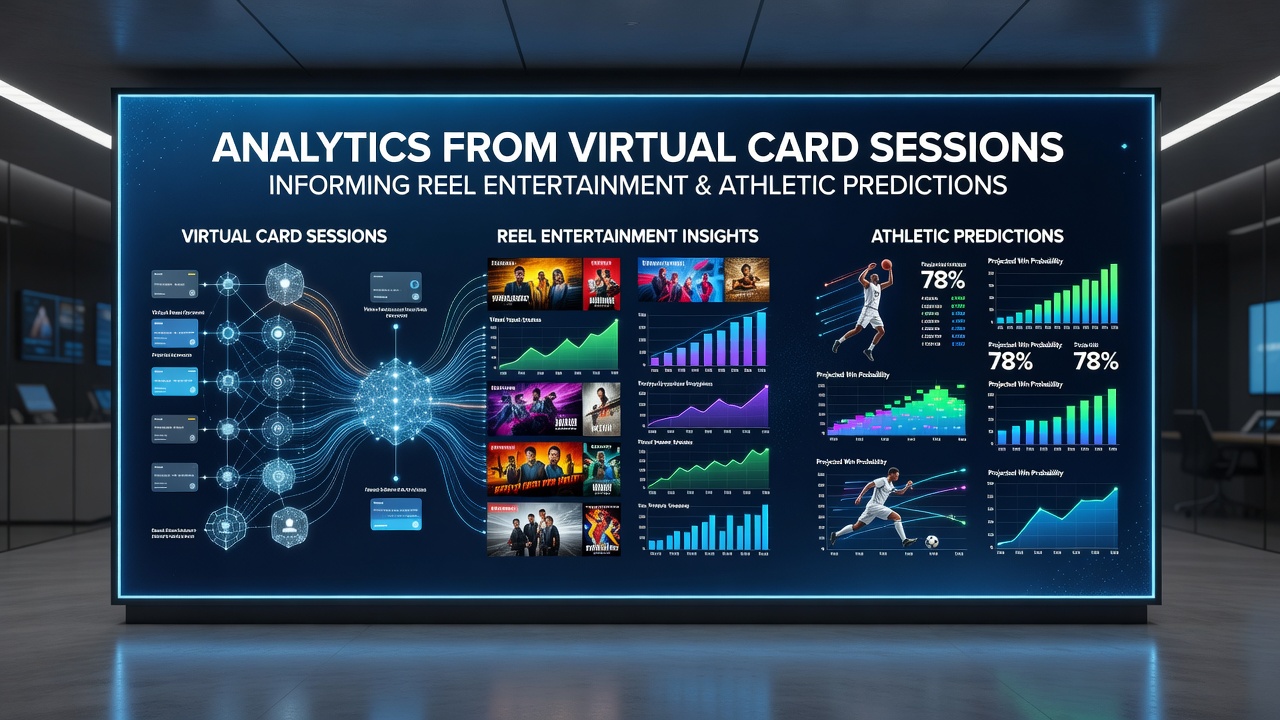
Virtual card sessions generate detailed datasets on decision timing, risk assessment patterns, and outcome sequences that developers now apply to reel entertainment systems and athletic forecasting tools, and observers note this cross-domain application has accelerated since early 2025 when simulation platforms expanded their logging capabilities. Researchers track how players handle probability clusters in digital blackjack or poker environments then map those behavioral markers onto slot reel weighting systems, while athletic prediction models incorporate similar timing variables to refine player performance estimates during live events.
Data Patterns from Card Simulations Transfer to Reel Design
Session logs capture sequences where participants adjust bets after consecutive losses or wins, and engineers feed these sequences into reel configuration algorithms that determine symbol distribution across multiple spins. One study from a Canadian research consortium released in March 2025 showed that incorporating virtual card hesitation metrics reduced variance complaints in test reel environments by aligning payout rhythms more closely with observed player tolerance thresholds. Those who've examined the transfer process point out that card session data provides granular insight into streak perception, allowing reel developers to modulate near-miss frequencies without altering overall return percentages.
Additional variables include fold rates during high-pressure rounds and response times to community card reveals, both of which translate into reel features such as escalating multiplier triggers or bonus round entry conditions. Figures from European gaming technology conferences held in late 2025 indicate that studios adopting these mappings recorded measurable increases in session duration across mobile reel titles, particularly when reward pacing mirrored the ebb and flow documented in card play logs.
Athletic Prediction Models Integrate Card-Derived Variables
Analysts extract timing and risk calibration data from virtual card environments to enhance models that forecast athletic outcomes, and this integration appears in several professional sports analytics pipelines by June 2026. Performance under sequential uncertainty in card sessions parallels decision points athletes face during momentum shifts, so modelers add latency measures and adjustment patterns to existing statistical frameworks. Data from university-led projects in Australia demonstrates that layering card session risk profiles onto basketball and soccer datasets improved short-term outcome accuracy by accounting for individual response consistency under pressure.
What's notable is the way fold frequency from poker simulations informs player substitution predictions, since both reflect calculated withdrawal from ongoing sequences. Organizations tracking these developments report that teams and betting platforms testing the combined datasets achieved tighter confidence intervals around projected scores during mid-season tournaments, and the approach continues to expand as more granular card session archives become available through simulation platforms.
Implementation Across Platforms and Regions
North American operators began rolling out reel titles informed by card analytics in Q4 2025, while Australian and Asian markets followed with localized versions that adjusted reel volatility based on regional card session demographics. Regulatory bodies in multiple jurisdictions now request transparency reports on how behavioral data crosses from one product category to another, and industry groups such as the European Gaming and Betting Association have issued guidelines encouraging standardized documentation of these transfers. The process remains largely automated through machine learning pipelines that identify transferable features without manual mapping for each new title or forecast model.
Case examples include reel bonus rounds that trigger after specific sequences of low-value spins, a mechanic directly adapted from virtual card recovery patterns observed after extended losing streaks. Athletic forecasting services have adopted parallel structures, where models flag potential performance rebounds following documented downturns by referencing the same recovery signatures extracted from card play. Observers note that these adaptations maintain separation between entertainment products and prediction tools even as underlying data streams converge.
Technical Architecture Supporting the Analytics Flow
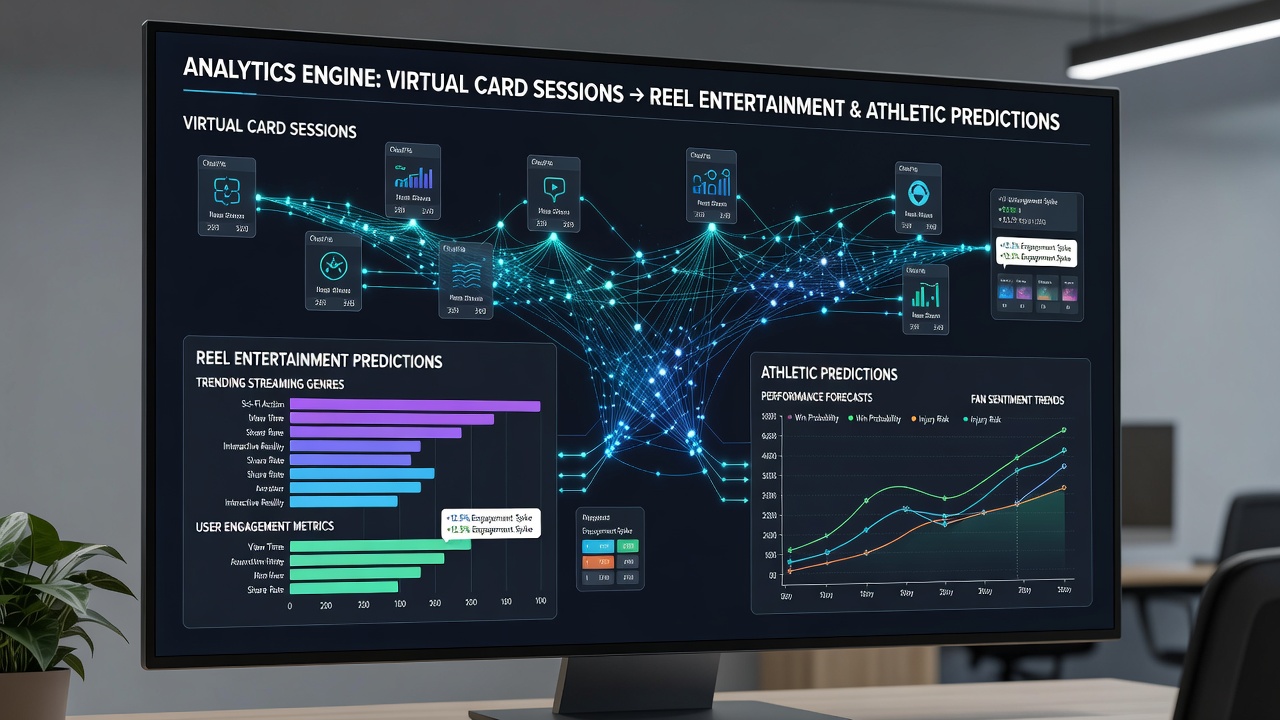
Cloud-based session recorders capture every action timestamp and decision weight during virtual card rounds, then anonymized aggregates pass through feature extraction layers that isolate timing clusters and risk thresholds. These features feed into separate output modules, one generating reel parameter sets and another refining athletic projection coefficients. Developers maintain audit trails that document lineage from source session to final model input, satisfying compliance requirements across different regulatory landscapes. Research institutions continue to publish validation studies that compare prediction accuracy before and after card data incorporation, with results typically released through academic channels rather than commercial announcements.
Conclusion
The movement of analytics from virtual card sessions into reel entertainment and athletic predictions rests on measurable pattern transfer rather than speculation, and continued refinement of these connections depends on expanding datasets and cross-validation across regions. As simulation platforms accumulate longer session histories and athletic models incorporate additional variables, the technical pathways established by mid-2026 provide a foundation for further applications in adjacent entertainment and forecasting domains.