26 Aug 2026
Virtual Simulations Empower New Players to Master Table Game Strategies
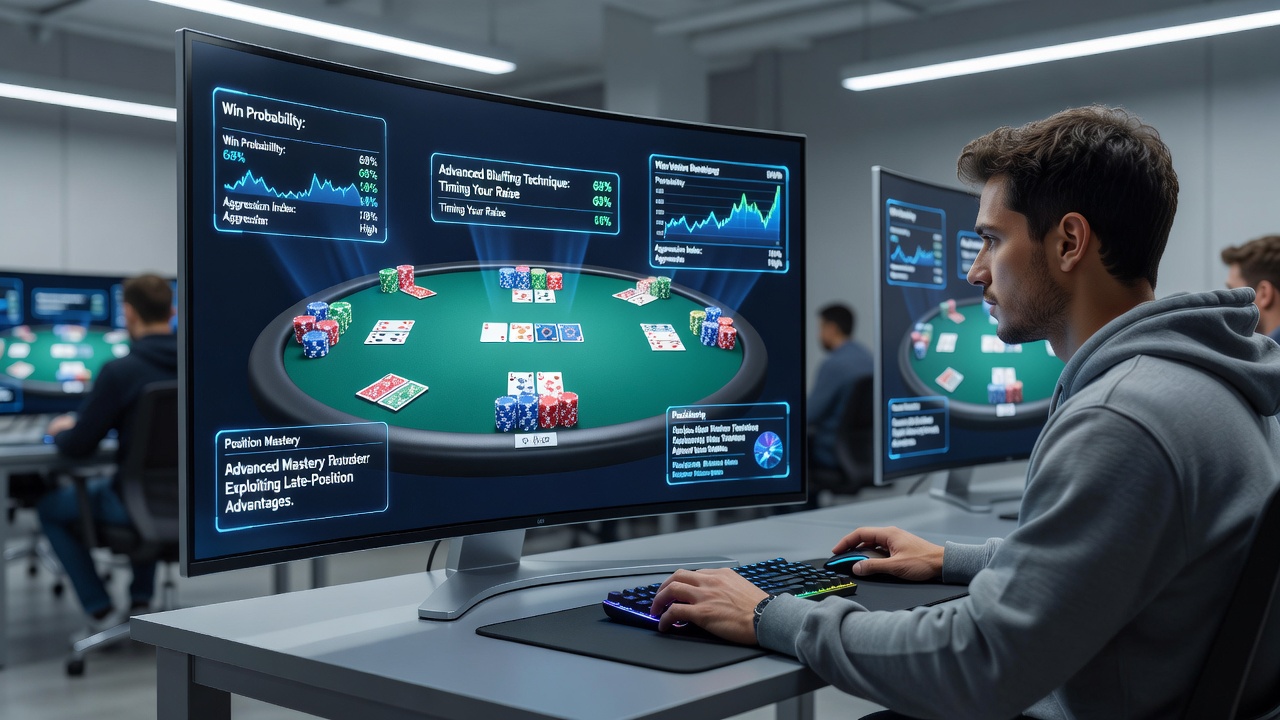
Virtual simulations have emerged as structured tools that deliver interactive environments for learning table game mechanics, and these platforms replicate live dealer scenarios through software that tracks decisions and outcomes in real time. Players access modules focused on blackjack, baccarat, roulette, and poker variants where algorithms adjust difficulty based on performance metrics. Data collected from training sessions shows measurable improvements in decision accuracy after repeated use, according to reports from the Nevada Gaming Control Board.
Core Mechanics of Simulation Platforms
Developers design these systems with layered interfaces that combine visual card renders, probability calculators, and scenario branching, so novices encounter thousands of hand combinations without financial exposure. Software records every choice, from bet sizing to hit-or-stand selections, then generates post-session breakdowns that highlight deviation from optimal play. Industry analysts note that integration with mobile devices has expanded access, allowing sessions to fit around daily schedules while maintaining consistent rule sets drawn from international casino standards.
Training modules incorporate progressive challenges that introduce advanced concepts such as composition-dependent strategy in blackjack or pattern recognition in roulette wheel biases. Users receive immediate feedback through color-coded indicators and statistical summaries, which reinforces pattern recognition over time. Research from the University of Nevada, Reno gaming management program indicates that participants who complete 40 hours of structured simulation show reduced error rates in live-environment tests compared with control groups relying solely on printed charts.
Skill Transfer to Live Environments
Observers document that skills practiced in virtual settings translate to physical tables when players maintain the same decision frameworks under time pressure. Simulations include variable dealer speeds and crowd noise toggles to prepare users for casino atmospheres, while multiplayer modes allow practice against simulated opponents that mimic common betting patterns. Figures released by the Canadian Gaming Association in mid-2025 revealed a 27 percent rise in simulation platform subscriptions among players transitioning from slots to table games.
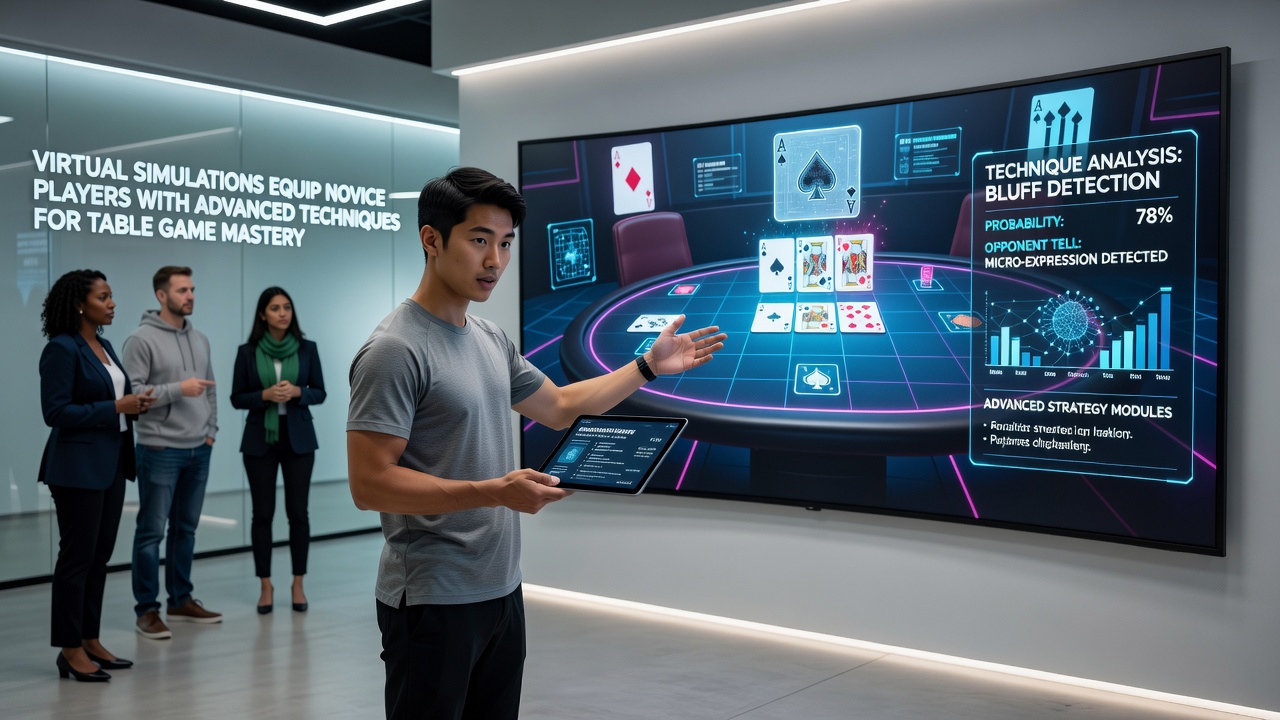
Case examples illustrate the process. One training cohort in Las Vegas used a dedicated poker simulation to drill pre-flop ranges and continuation-bet frequencies, then recorded higher win rates in low-stakes cash games after six weeks. Another group focused on baccarat side-bet probabilities through repeated virtual shoes, resulting in documented reductions in high-volatility wagers during subsequent casino visits. These outcomes align with broader findings that deliberate practice in controlled digital spaces strengthens recall and execution when real money is involved.
Data Trends Through 2026
Market reports compiled in August 2026 show continued expansion of simulation subscriptions across North America and parts of Asia, driven by partnerships between software providers and casino operators. Regulatory bodies in New Jersey and Singapore have begun recognizing certified simulation programs as optional components of responsible gaming initiatives, which provides standardized benchmarks for player education. Usage statistics indicate that sessions lasting 20 to 30 minutes produce the highest retention of strategy adjustments, whereas longer uninterrupted blocks yield diminishing returns after the first hour.
Academic studies further examine cognitive load during simulation use, finding that spaced repetition schedules outperform massed practice for long-term retention of counting systems and odds calculations. Platforms now embed adjustable parameters for deck penetration and rule variations, enabling users to replicate conditions found in specific jurisdictions without travel. This customization supports targeted preparation for trips to venues with unique table rules.
Integration wth Broader Training Resources
Many operators combine simulation access with live dealer streams and printed strategy cards, creating hybrid pathways that reinforce concepts across formats. Professional trainers report that clients who supplement in-person lessons with daily virtual drills demonstrate faster convergence on optimal play benchmarks. External verification of these programs comes from organizations such as the European Gaming and Betting Association, which tracks compliance features within training software across member jurisdictions.
Conclusion
Virtual simulations continue to function as accessible entry points that compress years of table-side observation into focused digital practice, and usage data supports their role in accelerating familiarity with advanced techniques. As platforms evolve to include more granular analytics and cross-device synchronization, players gain additional avenues for skill refinement before engaging real-money tables. Ongoing research and regulatory attention will likely shape how these tools integrate with existing player development frameworks in coming years.